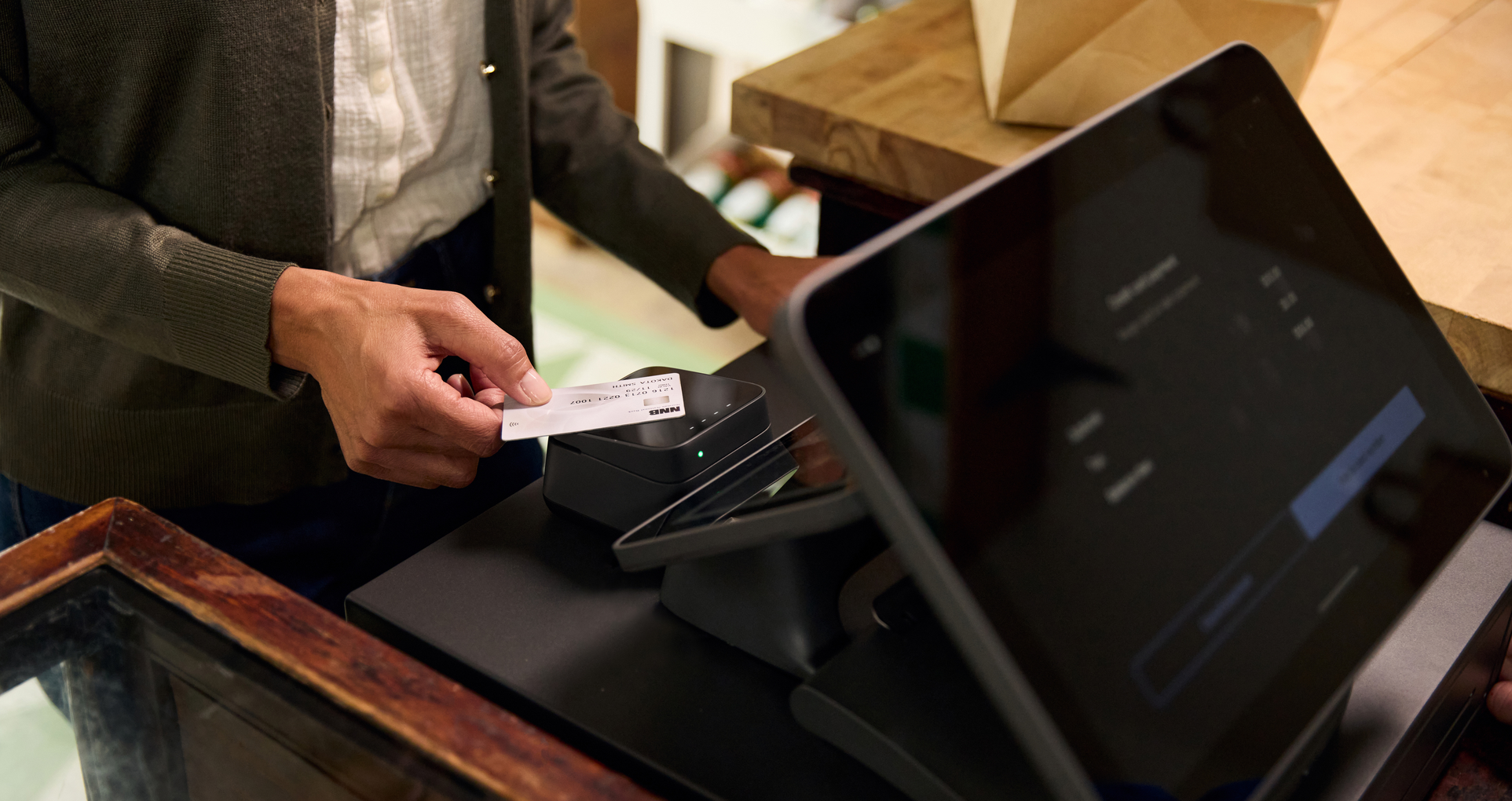
Integrated Payments: How a Unified POS Helps Restaurants
Integrated payments connect your POS and payment processor automatically, eliminating manual entry, reducing errors, and giving restaurants real-time reporting across every transaction.
Tác giả
 RESOURCE
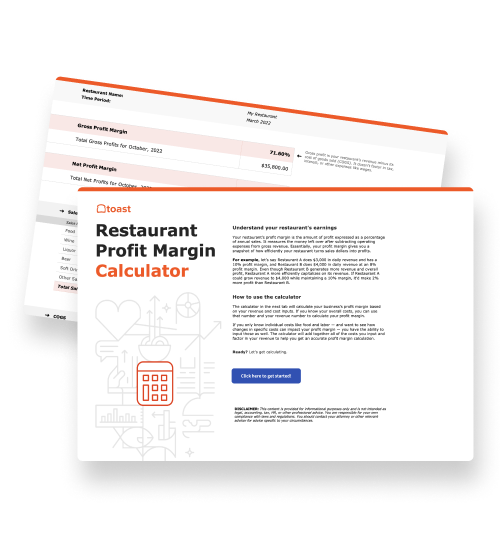
 Restaurant Profit Margin Calculator
Use this free Restaurant Profit Margin Calculator to see how efficiently you turn sales dollars into profits.
Nhận bản tải xuống miễn phíIntegrated payments connect payment processing directly to a point-of-sale (POS) system, helping restaurants keep payments and operational data in one place. For example, Toast Payments works with Toast POS to help restaurants manage payments, orders, reporting, and other workflows through one connected platform.
Integration matters more than ever as restaurant transactions spread across more channels. The National Restaurant Association reports that nearly 75% of all restaurant traffic now happens off-premises, meaning restaurants need payment workflows that can support dine-in, takeout, delivery, and digital ordering.
In this guide, you’ll learn what integrated payments are, how they work, why restaurants use them, and how to set them up.
Key takeaways
Integrated payments connect payment processing directly to a restaurant’s POS system, helping keep payments, orders, tips, deposits, and reporting in one place.
Compared with non-integrated payments, integrated payments can reduce manual reconciliation and help managers understand what happened during a shift more quickly.
Restaurants use integrated payments to support faster checkout, more accurate checks, better reporting, tip tracking, and more consistent staff workflows.
Integrated payments can help restaurants accept payments across dine-in, takeout, delivery, online ordering, and other service channels.
Toast Payments works with Toast POS to help restaurants manage secure payments and operational workflows through one connected platform.
Restaurant Metrics Calculator
Use this free calculator to calculate the key restaurant metrics needed to understand the health and success of your business.

What are integrated payments?
Integrated payments are payment processing systems that connect directly to a point-of-sale (POS) system. Instead of using a separate payment processor, terminal, or reporting platform, integrated payments allow transactions to flow through the same system used to manage orders, checks, and restaurant operations.
Integrated payments vs. non-integrated payments
In a non-integrated setup, restaurants may need to reconcile payment data separately from sales data, manually compare reports, or work across multiple platforms to understand what happened during a shift.
Integrated payments help eliminate many of those extra steps by keeping payment processing connected to the POS.
How do integrated payments work?
Because the payment system and POS are connected, restaurants do not have to manually match payment activity to orders later.
Managers can view payment information alongside sales data, employee activity, and other operational metrics, helping create a clearer picture of how the business is performing. The process typically works like this:
A guest places an order.
The restaurant accepts payment through a terminal, handheld device, kiosk, online ordering platform, or another service channel.
The payment is authorized and processed.
Transaction data automatically syncs with the POS system.
Sales, tips, deposits, and reporting update within the same platform.
For example, Toast Payments works across Toast’s restaurant platform, helping you keep payments, orders, reporting, and operational data connected across service channels.
Why do restaurants use integrated payments?
Restaurants use integrated payments because they help connect payment processing to the rest of the business. For example, HOUSEpitality Restaurant Group owner Kevin Healy said Toast Mobile Order & Pay “has increased our bottom line by 7-10%,” adding that the improvement could translate to $2.5 million in additional income once all eight locations returned to full capacity.
Faster checkout: Process payments directly through the POS without switching between systems.
Fewer manual steps: Reduce the need to manually reconcile payments, sales, and transaction records.
More accurate checks: Keep orders and payments connected to help reduce errors and discrepancies.
Easier reconciliation: Match transactions, refunds, tips, and deposits more efficiently.
Better reporting: View payment activity alongside sales and operational performance data.
Tip tracking: Keep tip information connected to reporting and payroll workflows.
Deposit visibility: Monitor payment batches and understand when funds are expected to arrive.
Fewer disconnected systems: Reduce the need for separate payment, reporting, and operational platforms.
More consistent staff workflows: Create a more unified process across dine-in, takeout, delivery, and online ordering.
Should your restaurant use integrated payments?
Integrated payments can be a good fit for restaurants that want to simplify operations, reduce manual work, and manage payments through fewer systems. Your restaurant may benefit from integrated payments if you want to:
Reduce manual reconciliation between payment and sales systems
Connect payment activity directly to POS reporting
Accept payments across service channels
Improve tip tracking and payout workflows
Simplify end-of-day closeout and reporting
Manage payments through one restaurant-focused platform
Support multiple payment types from one platform (NRA research from 2024 found that 79% of consumers prefer contactless or mobile payments, while 73% prefer digital wallet options).
At the same time, there are a few considerations to keep in mind. Integrated payments often require restaurants to use the POS provider’s payment processor rather than a third-party processor. Before making a decision, review factors such as payment processing rates, deposit timing, hardware requirements, support options, and contract terms.
How to set up integrated payments with Toast
Toast offers an integrated credit and debit card processing solution built specifically for the foodservice industry, allowing U.S. restaurants to accept secure payments across dine-in, takeout, delivery, and other service models.
Schedule a demo: Review your restaurant’s needs and see how Toast Payments works within the broader Toast platform.
Configure hardware: Set up terminals, handhelds, kiosks, and other supported equipment.
Set up payment types: Configure credit cards, debit cards, contactless payments, and other supported payment methods.
Connect online ordering, takeout, and delivery workflows: Keep payment data tied to orders, reporting, and operational workflows across channels.
Train staff on payment workflows: Prepare staff for checkout, tip management, refunds, voids, split payments, and end-of-day closeout procedures.
Go live: Launch the system and monitor performance using automated AI tools like Toast IQ.
Split the check, not your tech
Because payment processing touches everything from checkout and online ordering to reporting and cash flow, it works best when it’s connected to the tools your team uses every day. That’s why many restaurants choose a restaurant-specific platform that combines payments and operations in one place.
For example, Toast POS is designed to help restaurants manage orders, payments, reporting, online ordering, and other operational workflows from a single platform, giving operators a clearer view of how the business is performing and where there are opportunities to improve.
SOPs Template
This template will help you create SOPs for your entire business, so you can create consistency and easily train employees.
FAQ
What is the difference between integrated and non-integrated payments?
Integrated payments connect payment processing directly to your restaurant’s POS system, so orders, payments, tips, and reporting stay in one place. Non-integrated payments use separate systems, which can require more manual reconciliation between sales and payment records.
Are integrated payments more secure?
Integrated systems like Toast can support secure payment processing with features like encryption, tokenization, PCI compliance, EMV support, and fraud monitoring. Restaurants should review each provider’s security features before choosing a payment solution.
Do integrated payments support contactless and mobile wallet transactions?
Many integrated payment systems, like Toast, support contactless payments and mobile wallets, including tap-to-pay cards, Apple Pay, and Google Pay. Supported payment types can vary by provider.
How do integrated payments affect end-of-day reporting?
Integrated payments can make end-of-day reporting easier by connecting payment activity directly to POS sales data. That can help managers review sales, tips, refunds, voids, deposits, and payment totals without manually comparing separate systems.
Can integrated payments work for restaurants with multiple locations?
Yes, integrated payments can support multi-location restaurants, especially when they are part of a broader POS platform with centralized reporting, user permissions, and location-level sales data.
What should I look for when choosing an integrated payment provider?
Look for a provider that connects payment processing with your POS, supports the payment types your guests use, offers clear reporting, provides security features, and fits your restaurant’s service model. You should also review pricing, deposit timing, hardware options, support, and contract terms.
Bài viết này có hữu ích không?
TUYÊN BỐ MIỄN TRỪ TRÁCH NHIỆM: Thông tin này chỉ được cung cấp cho mục đích tham khảo chung và việc xuất bản không cấu thành sự xác nhận. Toast không đảm bảo tính chính xác hoặc đầy đủ của bất kỳ thông tin, văn bản, đồ họa, liên kết hoặc các mục nào khác có trong nội dung này. Toast không cam đoan bạn sẽ đạt được kết quả cụ thể nào nếu bạn làm theo lời khuyên bất kỳ trong tài liệu này. Bạn nên tham khảo ý kiến của chuyên gia như luật sư, kế toán viên hoặc cố vấn kinh doanh để được tư vấn cụ thể cho tình huống của mình.

Subscribe to On the line
Sign up to get industry intel, advice, tools, and honest takes from real people tackling their restaurants' greatest challenges.
Bằng việc gửi, bạn đồng ý nhận email tiếp thị từ Toast. Chúng tôi sẽ xử lý thông tin của bạn theo tuyên bố về quyền riêng tư. Thông tin bổ sung dành cho cư dân California có tại tại đây.