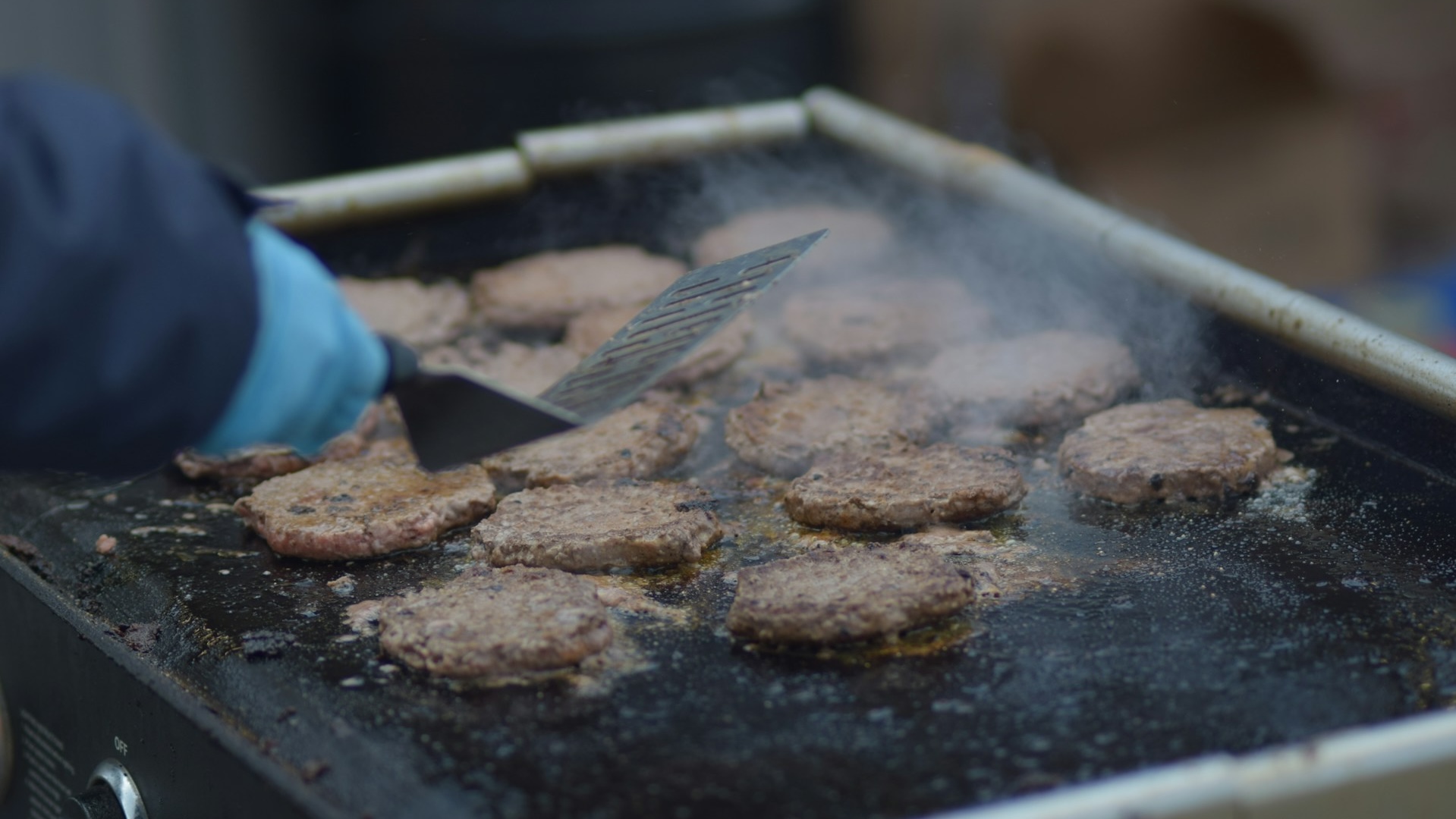
Restaurant Grease Disposal: Tips for Safe Collection & Removal
Poor restaurant grease disposal risks fires, fines, and plumbing disasters. Explore the best practices for proper grease collection and removal.

Tác giả
 RESOURCE
 Kitchen Opening and Closing Checklist
Ensure your back of house runs like a well oiled machine with these customizable kitchen opening and closing checklists.
Nhận bản tải xuống miễn phíGrease disposal may not be the most glamorous part of running a restaurant, but managing it properly is one of the most important.
Every fryer basket, grill top, and dish pit produces grease waste. If it isn’t handled correctly, it can quickly snowball into plumbing disasters, fire hazards, pest problems, or even regulatory fines.
This guide breaks down what restaurant grease waste is, why proper disposal matters, and the best practices for keeping your kitchen safe, compliant, and sustainable.
Key takeaways
Grease waste includes yellow grease from cooking oil and brown grease from traps that require specialized removal.
Improper disposal can lead to clogs, fires, pest issues, and costly fines.
Safe disposal methods include grease traps, collection services, recycling, and secure onsite storage.
Best practices involve staff training, routine maintenance, certified providers, and proper documentation.
Back of House Management Guide and Resource Kit
This guide and resource kit will help you develop an efficient back of house management system to ensure quality and consistency in your restaurant’s kitchen.

What is restaurant grease waste?
Grease waste is an unavoidable byproduct of running a commercial kitchen. Every time food is fried, grilled, baked, or washed, some form of grease, oil, or fat makes its way into the cleanup process.
If not handled properly, it can create major plumbing issues, safety hazards, and regulatory problems. There are two main types of restaurant grease waste to know:
Yellow grease (used cooking oil): Collected from fryers and cooking equipment. This type of grease is typically cleaner and can often be recycled into biodiesel, animal feed additives, or other industrial products.
Brown grease (trap waste): Found in grease traps and interceptors. It contains food solids, water, and other contaminants, making it more difficult to recycle and requiring specialized removal.
Why is proper grease disposal important?
Grease waste may seem like just another part of kitchen cleanup, but how it’s handled has a big impact on safety, operations, and compliance. Ignoring disposal best practices can create expensive problems and even put your restaurant at risk of shutdown.
Health and safety: Built-up grease can spark kitchen fires, create slippery floors, and attract pests if left unmanaged.
Legal compliance: Many cities require restaurants to dispose of grease in specific ways. Violations can lead to fines, penalties, or forced closures.
Operational efficiency: Pouring grease down sinks or drains leads to blockages, costly plumbing repairs, and downtime in the kitchen.
Sustainability: Used cooking oil and yellow grease can be recycled into biodiesel and other products, reducing environmental impact while supporting green initiatives.
One example of potential impact is Mango’s Mexican and American Grill in North Dakota. In July 2024, the restaurant suffered a grease fire that spread into the kitchen’s exhaust ductwork and roof. The blaze caused nearly half a million dollars in damages and forced the restaurant to relocate.
This incident underscores how quickly grease buildup can escalate into a financial and operational crisis if not properly managed.
What not to do with restaurant grease
Improper disposal of fats, oils, and grease (FOG) creates safety hazards, damages plumbing, and puts restaurants at risk of costly fines. As Joe Mouawad, general manager of Eastern Municipal Water District, explained:
“Fats, oils and grease are incredibly harmful to our wastewater collection system. When FOG is poured down your drain, it quickly hardens and causes blockages in the system.”
The problem is widespread — New York City’s 2019 State of the Sewers report found that 66% of sewer backups were caused by grease. In extreme cases, grease buildup forms “fatbergs,” massive congealed masses of fat, grease, and garbage. In 2017, Thames Water in the UK removed a 130-ton fatberg that took weeks and millions of dollars to clear.
To prolong the life of your plumbing and keep local sewage systems running smoothly, avoid these common mistakes:
Never pour grease down sinks or floor drains: This leads to hardened clogs, backups, and expensive plumbing repairs.
Don’t mix grease with regular trash or recyclables: Grease can leak, create odors, and attract pests if disposed of improperly.
Avoid leaving oil in open containers: Exposed grease is a fire hazard and quickly becomes a magnet for rodents and insects.
Common methods of grease disposal
From plumbing backups to fire hazards, the impact of proper waste disposal extends beyond the kitchen. Fortunately, there are established systems and services designed to keep grease under control.
1. Grease traps and interceptors
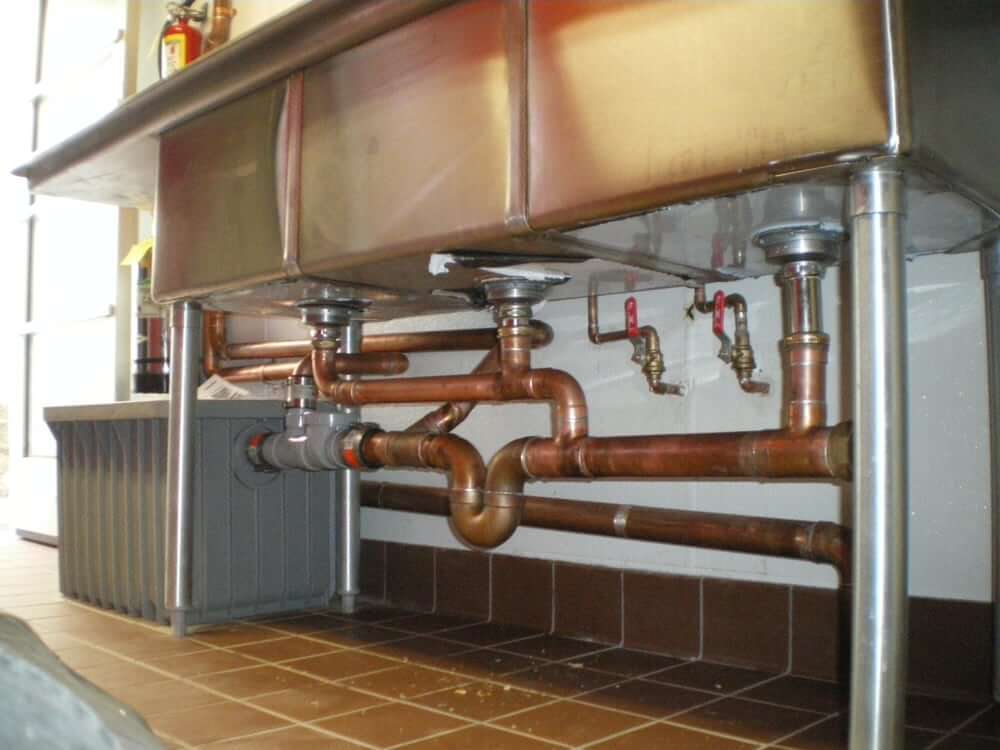
Grease traps and interceptors are the first line of defense against fats, oils, and grease (FOG) entering a restaurant’s plumbing system. Installed under sinks or in underground tanks, they capture grease before it can harden in pipes and cause costly blockages.
Most municipalities require restaurants to install and maintain grease traps as part of health and plumbing codes. Proper upkeep is critical—without regular cleaning, these systems overflow, creating sanitation hazards and potential fines.
How they work: Separate grease from wastewater before it enters the sewer line.
Why they’re required: Prevent clogs, protect municipal infrastructure, and comply with local codes.
Maintenance needs: Cleaning intervals vary, but traps typically need pumping every 1–3 months depending on volume.
2. Grease collection services
Grease collection services specialize in removing and recycling used cooking oil. Restaurants store used oil in secure containers, and service providers pick it up on a scheduled basis. Many companies refine the oil into biodiesel or repurpose it for other industrial uses.
Working with a licensed collection service not only simplifies compliance but also reduces environmental impact. Choosing the right provider means looking for reliability, transparency, and proof of proper recycling practices.
How it works: Vendors collect oil directly from onsite containers or grease traps.
Benefits: Simplifies disposal, ensures legal compliance, and reduces environmental harm.
What to look for: Certified haulers, recycling programs, and dependable pickup schedules.
3. Onsite storage
Safe onsite storage is an important step before grease is collected or recycled. Restaurants typically use designated, sealed containers—often placed in a secured outdoor area—to prevent leaks, spills, or pest attraction. These containers are designed to handle high volumes and are built from durable, heat-resistant materials.
Proper storage ensures grease remains contained and ready for pickup by collection services, while also keeping the kitchen safe and compliant with local codes.
How it works: Grease is drained or poured into specialized bins or tanks after use.
Benefits: Prevents accidents, keeps facilities clean, and streamlines the pickup process.
Best practices: Use covered, labeled containers and clean surrounding areas regularly to avoid odors or infestations.
Best practices for grease management
Preventing grease-related issues starts with consistent, everyday habits in the kitchen. By building clear processes and working with trusted service providers, restaurants can keep operations safe, compliant, and efficient.
Train staff on proper disposal: Emphasize that grease and oil should never be poured down sinks or drains.
Maintain grease traps regularly: Schedule inspections and cleanings to prevent clogs and code violations.
Use designated containers: Clearly label and seal bins for used oil to avoid spills, odors, and pest problems.
Work with certified providers: Partner with licensed grease collection or removal services to ensure compliance and sustainability.
Track documentation: Keep records of pickups, cleanings, and disposal for health inspections and audits.
Explore recycling programs: Many providers convert grease into biodiesel or other products, with some offering rebates that offset costs.
Danh sách kiểm tra mở nhà hàng
Có rất nhiều việc cần làm để mở một nhà hàng. Hãy sử dụng danh sách kiểm tra PDF miễn phí này để giúp nhà hàng mới của bạn đạt được thành công.
Keep your profits (and grease) out of the drain
Restaurant grease disposal is essential for keeping kitchens safe, compliant, and efficient. From clogged drains to fire risks, even small mistakes can turn into costly problems. Fortunately, with the right systems in place, grease management becomes less of a burden—and more of a sustainable, routine part of running a successful restaurant.
FAQ
How often should restaurants clean grease traps?
Most restaurants need to clean grease traps every 1–3 months, but the exact frequency depends on kitchen size, menu type, and local regulations.
What are the fines for improper grease disposal?
Fines vary by city, but improper disposal can lead to thousands of dollars in penalties and even temporary restaurant closures.
Can restaurants make money from used cooking oil?
Yes. Many collection companies offer rebates for used cooking oil, which can be recycled into biodiesel and other products.
What size grease trap does my restaurant need?
The right size depends on your kitchen’s cooking volume and plumbing setup. A licensed installer or local authority can recommend the correct capacity.
Are there federal regulations for restaurant grease disposal?
There are no federal standards, and most municipalities enforce their own codes. Restaurants must follow local laws to stay compliant.


Bài viết này có hữu ích không?
TUYÊN BỐ MIỄN TRỪ TRÁCH NHIỆM: Thông tin này chỉ được cung cấp cho mục đích tham khảo chung và việc xuất bản không cấu thành sự xác nhận. Toast không đảm bảo tính chính xác hoặc đầy đủ của bất kỳ thông tin, văn bản, đồ họa, liên kết hoặc các mục nào khác có trong nội dung này. Toast không cam đoan bạn sẽ đạt được kết quả cụ thể nào nếu bạn làm theo lời khuyên bất kỳ trong tài liệu này. Bạn nên tham khảo ý kiến của chuyên gia như luật sư, kế toán viên hoặc cố vấn kinh doanh để được tư vấn cụ thể cho tình huống của mình.
 Thịnh hành

Subscribe to On the line
Sign up to get industry intel, advice, tools, and honest takes from real people tackling their restaurants' greatest challenges.
Bằng việc gửi, bạn đồng ý nhận email tiếp thị từ Toast. Chúng tôi sẽ xử lý thông tin của bạn theo tuyên bố về quyền riêng tư. Thông tin bổ sung dành cho cư dân California có tại tại đây.