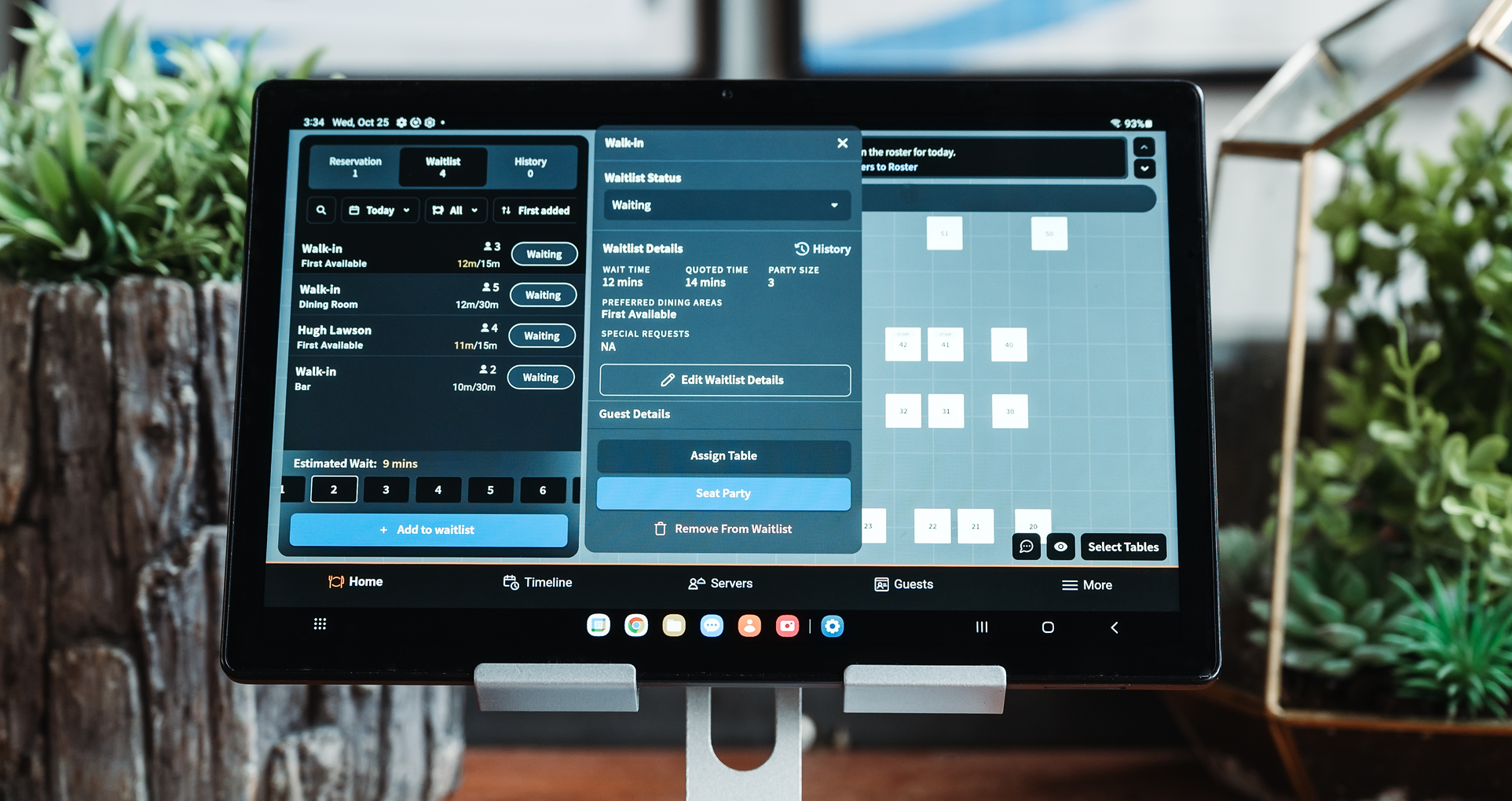
Reservation Policies: A Simple 8-Step Guide for Restaurants
Reservation policies help restaurants manage tables and reduce no-shows. Learn how to create a clear, guest-friendly policy step by step.
Tác giả
 RESOURCE
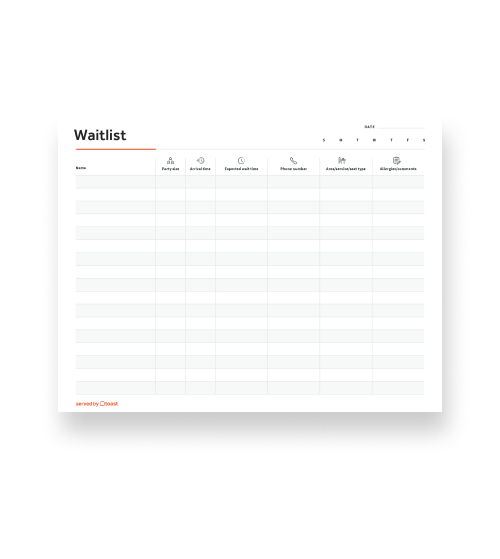
 Restaurant Waitlist Template
A template to help your host keep track of walk-ins and provide estimated wait times, keeping guests happy and staff organized.
Nhận bản tải xuống miễn phíReservation policies are the guidelines restaurants use to manage how guests book tables, arrive for reservations, and cancel or modify bookings. These policies can cover details like cancellation windows, grace periods for late arrivals, deposits for large parties, and rules for high-demand service times.
For restaurants, clear reservation policies help keep service organized and protect valuable table availability. In this guide, we’ll walk through how to plan, write, and implement reservation policies that support your operations while still keeping the guest experience welcoming.
Key takeaways
Reservation policies help restaurants manage table availability, reduce no-shows, and keep service running smoothly.
The best reservation policies reflect your restaurant’s service style, busiest reservation periods, and guest experience goals.
Clear rules around cancellations, late arrivals, and large-party bookings help set fair expectations for guests.
Communicating reservation policies across booking pages, confirmations, and reminders helps prevent misunderstandings.
Regularly reviewing reservation data and guest feedback helps restaurants refine their policies over time.
Restaurant Operations Manual Template
Use this free template to easily outline all of your operating procedures and make day-to-day operations as consistent as possible.

1. Start with your service style and business goals
Your reservation policy should reflect how your restaurant actually operates. A fine dining restaurant, neighborhood brunch spot, and fast-casual concept may all need different rules depending on service style, pacing, and guest expectations.
Consider your service model and table turnover goals: Full-service dining, quick-service concepts, and tasting menus all require different approaches to reservations.
Review your busiest reservation periods: Understanding when demand is highest helps you design policies that protect your busiest service windows.
Identify common issues like no-shows or late arrivals: Reviewing past patterns can highlight where clearer policies may help reduce disruptions.
Decide what guest experience you want to create: Some restaurants prioritize flexibility, while others rely on structured reservation systems to maintain service flow.
Align reservation policies with your brand: Your policies should match the tone and expectations of your restaurant’s concept and clientele.
2. Decide which reservations require special rules
Not every booking needs the same policy. Many restaurants apply additional guidelines to reservations that require more planning or have a larger impact on service.
Set rules for standard reservations: Define basic expectations such as booking times, table holds, and cancellation windows.
Create separate policies for large parties: Bigger groups often require advance notice, special seating arrangements, or deposit requirements.
Decide when deposits or card holds are needed: Some restaurants use deposits or credit card holds to help reduce no-shows for high-demand reservations.
Plan policies for holidays and special events: Busy occasions like Valentine’s Day or New Year’s Eve may require stricter reservation rules.
Clarify any minimum spend requirements: If certain reservations include minimum spend expectations, communicate them clearly during the booking process.
3. Set cancellation, no-show, and late-arrival guidelines
Clear guidelines for cancellations, no-shows, and late arrivals help restaurants manage tables more effectively and protect revenue. The key is to keep policies fair, transparent, and easy for guests to understand before they book.
Reservation demand has also created new challenges for restaurants. In some major cities, high-demand reservations are being resold on third-party platforms, making it harder for restaurants to control their own booking systems. As Mike Whatley, vice president for state affairs and grassroots advocacy at the National Restaurant Association, explains:
“It’s the places where there are those reservations that if you aren’t logging on right at midnight a month out to get the reservation, you’re not getting them, where these challenges have arisen.”
To reduce no-shows and discourage reservation abuse, some restaurants now require deposits or enforce stricter cancellation policies.
Choose a cancellation window: Set a clear timeframe for when guests can cancel their reservation without penalty.
Decide how to handle no-shows: Determine whether missed reservations result in a fee, loss of deposit, or other consequence.
Set a grace period for late arrivals: Establish how long you will hold a reserved table before releasing it to other guests.
Determine when tables will be released: Define the point when staff can offer the table to waiting guests if a party has not arrived.
Apply rules consistently across bookings: Consistent enforcement helps prevent confusion and keeps expectations clear for both guests and staff.
4. Write your reservation policy in simple, guest-friendly language
A reservation policy should be easy to read and easy to follow. Clear wording helps guests understand expectations and reduces misunderstandings before they arrive.
Keep the language short and direct: Simple sentences make policies easier for guests to understand quickly.
Avoid legal or overly formal wording: Friendly, conversational language keeps the tone welcoming.
Explain policies clearly: Explain cancellation windows, deposits, and arrival rules clearly: Guests should know exactly what to expect when they book.
Make expectations easy to find: Display policies clearly on reservation pages, confirmation emails, and booking platforms.
Review the wording from a guest’s perspective: Make sure the policy feels fair, helpful, and easy to follow.
5. Add your policy to every guest touchpoint
A reservation policy is most effective when guests can easily see and understand it before they book. Clear communication across all booking channels helps set expectations and reduces misunderstandings.
Add policies to your website and reservation page: Make sure reservation rules are visible wherever guests book a table.
Include them in booking confirmations: Confirmation emails or messages are a good place to reinforce important details.
Reinforce them in reminder texts or emails: Friendly reminders can help guests remember cancellation windows or arrival times.
Display them clearly for large-party inquiries: When guests ask about group reservations, share any special requirements upfront.
Make sure hosts can explain them consistently: Front-of-house staff should be prepared to answer questions and clarify policies.
6. Train your staff to apply the policy consistently
Even a well-written policy can create confusion if it’s applied differently from one shift to another. Training helps ensure staff understand the policy and handle reservation issues in a professional, consistent way.
Clear communication with guests is especially important when restaurants introduce policies like timed tables or strict cancellation rules. As Birdie’s co-owner Arjav Ezekiel explains, transparency helps guests understand why these policies exist:
“If it’s clear what you’re getting into when you book a reservation, businesses have every right to hold people accountable to that.”
When guests understand the expectations ahead of time, staff can enforce policies more confidently while still maintaining a positive hospitality experience.
Review the policy with hosts and managers: Make sure everyone understands the guidelines and when they apply.
Create scripts for common guest questions: Simple explanations help staff respond confidently and clearly.
Train staff on late arrivals and cancellations: Clear procedures help teams manage these situations calmly and fairly.
Empower managers to handle exceptions: Managers should have the flexibility to resolve issues when unique situations arise.
Keep communication consistent across shifts: Regular check-ins help ensure the entire team follows the same approach.
7. Use reservation technology to support the policy
Reservation tools can make policies easier to manage and enforce. The right systems help reduce manual work while keeping the booking process smooth for guests.
Reservation technology is also evolving alongside new AI tools. For example, Google recently introduced an AI feature that can search across platforms like OpenTable and Resy to help users find restaurant reservations based on criteria such as time, location, or cuisine.
While the AI currently directs users to complete the booking themselves, tools like this show how discovery and reservation systems are becoming more integrated with search.
Use automated confirmations and reminders: Automatic messages help guests remember their reservation and reduce missed bookings.
Manage deposits or card holds digitally: Reservation systems can securely handle deposits or credit card guarantees.
Monitor table availability in real time: Real-time updates help staff manage seating and adjust reservations when needed.
Keep guest notes and reservation history organized: Tracking guest preferences and past visits can improve service and communication.
8. Keep your policy up to date
Reservation policies shouldn’t remain static forever. As guest expectations and service patterns change, reviewing your policy regularly helps ensure it continues to support smooth operations.
Review no-show and cancellation trends: Patterns in reservation data can highlight where policies may need adjustment.
Gather feedback from hosts and managers: Front-of-house teams often notice issues first and can provide valuable insights.
Look for guest friction points: Pay attention to common questions or complaints that may signal unclear policies.
Update policies for seasonal demand: Busy seasons or special events may require temporary adjustments.
Refine the policy as your restaurant grows: As your concept evolves, your reservation approach may need to evolve with it.
Set the table for better reservation policies
When guidelines around cancellations, late arrivals, and large parties are communicated early, teams can manage tables more effectively and avoid unnecessary disruptions. As Adam Reiner, author of The New Rules of Dining Out, explains, strong reservation systems often reward loyal diners and consistent guests:
“People think of restaurants being democracies and that everyone has the same chance of making a reservation. But restaurants are meritocracies. You can earn a preferred status by showing loyal, consistent patronage.”
Ultimately, thoughtful reservation policies help restaurants manage demand while ensuring more guests have a fair opportunity to book a table and be seated on time.
Restaurant Website Checklist
This template will help you update and optimize your website, so guests can easily find and order from you.
FAQ
How much notice should restaurants require for cancellations?
Most restaurants require 24 to 48 hours’ notice for reservation cancellations, especially for large parties or peak dining times. Some high-demand restaurants or fine dining venues may require longer notice or deposits to reduce no-shows.
Are deposits common for all types of restaurants?
Deposits are most common at fine dining restaurants, high-demand venues, and restaurants with limited seating. Casual restaurants may rely on credit card holds or automated reminders instead of requiring deposits.
How do automated reminders reduce no-shows effectively?
Automated reminders reduce no-shows by sending confirmation messages to guests before their reservation time. Many reservation systems send reminders via text message or email 24 hours before the reservation, prompting guests to confirm or cancel if plans change.
What rules apply to large group reservations?
Large group reservations often follow stricter policies than standard bookings. Restaurants may require deposits, fixed menus, earlier cancellation deadlines, or minimum spending requirements to protect staffing and inventory planning.
Can reservation policies be customized by service type?
Yes, many restaurants customize reservation policies based on service type, day of the week, or demand level. For example, a restaurant might require deposits for weekend dinners or special events, while weekday lunches may allow more flexible cancellations.
Employee Handbook Template
Outline your restaurant’s staff policies in this customizable Word doc to help restaurant management and staff get on the same page.


Bài viết này có hữu ích không?
TUYÊN BỐ MIỄN TRỪ TRÁCH NHIỆM: Thông tin này chỉ được cung cấp cho mục đích tham khảo chung và việc xuất bản không cấu thành sự xác nhận. Toast không đảm bảo tính chính xác hoặc đầy đủ của bất kỳ thông tin, văn bản, đồ họa, liên kết hoặc các mục nào khác có trong nội dung này. Toast không cam đoan bạn sẽ đạt được kết quả cụ thể nào nếu bạn làm theo lời khuyên bất kỳ trong tài liệu này. Bạn nên tham khảo ý kiến của chuyên gia như luật sư, kế toán viên hoặc cố vấn kinh doanh để được tư vấn cụ thể cho tình huống của mình.
 Thịnh hành


Subscribe to On the line
Sign up to get industry intel, advice, tools, and honest takes from real people tackling their restaurants' greatest challenges.
Bằng việc gửi, bạn đồng ý nhận email tiếp thị từ Toast. Chúng tôi sẽ xử lý thông tin của bạn theo tuyên bố về quyền riêng tư. Thông tin bổ sung dành cho cư dân California có tại tại đây.