
What Are the Most Common Dietary Restrictions?
Some of the most common dietary restrictions include vegan and vegetarianism, peanut allergies, lactose intolerance, and gluten intolerance. Learn more here.

Tác giả
 RESOURCE
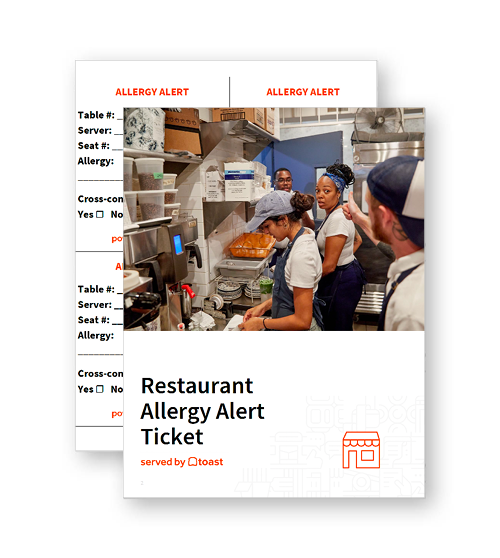
 Restaurant Allergy Alert Card Template
Restaurant staff can use this allergy card template as an extra precaution to keep guests safe.
Nhận bản tải xuống miễn phíFood allergies and restrictions are important to keep in mind when building a restaurant menu and figuring out sanitizing and cleaning procedures.
Whether based on an allergy, religious belief, or dietary preference, it’s key to understand the ins and outs of common dietary restrictions, both to cater to different guests’ wants and to help accommodate dietary needs and reduce the risk of allergen-related incidents.
Key takeaways
Dietary restrictions span allergies, intolerances, medical conditions, religious beliefs, and lifestyle choices—each requiring different levels of accommodation.
Food allergies are the most serious restrictions and require strict cross-contamination prevention in kitchen preparation.
The 8 major allergens (peanuts, tree nuts, milk, eggs, wheat, soy, fish, shellfish) account for most serious allergic reactions.
Religious dietary laws like Kosher and Halal have specific preparation and certification requirements beyond ingredient restrictions.
Clear menu labeling and staff training on dietary restrictions help restaurants serve a wider range of guests safely.

Vegetarian and vegan
Being vegan and vegetarian are usually mentioned in the same category of dietary restrictions, but one is significantly more restrictive than the other. Both vegetarian and vegan diets avoid animal products, with veganism being the more restrictive of the two.
Vegetarians avoid all meat – including chicken, turkey, beef, pork, and fish. Pescetarians are typically included in the vegetarian bucket – they don’t eat beef or poultry, but do consume fish products. Both vegetarians and pescetarians eat dairy products and eggs.
Veganism is a stricter form of vegetarianism, and vegan restrictions avoid all animal products, including meat, dairy, and eggs. Raw vegans take this one step further, only eating uncooked fruits, vegetables, grains, and other non-animal products.
Lactose intolerance
Lactose is a type of sugar that is found in milk and other dairy products. Those who are lactose intolerant lack the enzyme to break down lactose, causing digestive problems and discomfort. Some individuals use over-the-counter products designed to aid lactose digestion, but those who are lactose intolerant tend to avoid high-lactose dairy products overall. Plant-based milks and low-lactose dairy products (like hard cheeses, yogurt, and butter) are both good options for lactose-intolerant people.
Gluten intolerance
Gluten is a protein found in wheat, barley and rye. Those who are intolerant to gluten are split into two main categories: celiac disease, and non-celiac gluten intolerance.
Celiac disease is an auto-immune disease triggered by gluten, and causes gastrointestinal discomfort and inflammation of the small intestine. For people with celiac disease, consuming gluten can lead to serious health complications.
Non-celiac gluten intolerance causes similar symptoms (GI discomfort), but without the autoimmune response. In both cases, those with any sort of gluten sensitivity avoid gluten as a whole, and instead look for items made with gluten-free grains like oats, rice and quinoa.
Peanut allergies
Allergies are the most severe of dietary restrictions meaning that you need to take a whole new level of precaution with food preparation.
Peanut allergies are one of the most common, affecting approximately 1-2% of the U.S. population. Reactions can vary – some individuals with a peanut allergy experience minor discomfort or itching, while others can experience severe allergic reactions that may require emergency medical attention.
Religious food restrictions
While not an exhaustive religious dietary restrictions list, here are two common religious food restrictions:
Kosher
Kosher food is in compliance with Jewish dietary laws. Kosher foods are broken down into three categories: meat, dairy, and pareve (or neutral). One common kosher practice is avoiding the combination of meat and dairy products, among other dietary requirements. There are other guidelines as well, including not using the same utensils or equipment for meat and dairy, as well as certification requirements from kosher organizations. Full details on kosher guidelines can be found here.
Halal
Halal is the Islamic dietary standard. Halal dietary standards include specific requirements regarding food preparation and sourcing. Similarly to kosher rules, in order for a food to be halal, it must be certified by an accredited bureau. Full details on halal guidelines can be found here.
***
Whatever your menu, keeping these dietary restrictions in mind can help make your menu more accessible to a wider range of guests. For more information on the most common dietary requirements and food allergies, check out this post.
FAQ
What is the difference between a food allergy and food intolerance? A food allergy involves an immune system response and can be life-threatening, while a food intolerance involves the digestive system and typically causes discomfort but is not dangerous.
What are the 8 major food allergens? The FDA recognizes peanuts, tree nuts, milk, eggs, wheat, soy, fish, and shellfish as the eight major food allergens.
What is the most common dietary restriction? Lactose intolerance is one of the most common dietary restrictions globally, affecting approximately 68% of the world's population to some degree.
Related menu articles
Bài viết này có hữu ích không?
TUYÊN BỐ MIỄN TRỪ TRÁCH NHIỆM: Thông tin này chỉ được cung cấp cho mục đích tham khảo chung và việc xuất bản không cấu thành sự xác nhận. Toast không đảm bảo tính chính xác hoặc đầy đủ của bất kỳ thông tin, văn bản, đồ họa, liên kết hoặc các mục nào khác có trong nội dung này. Toast không cam đoan bạn sẽ đạt được kết quả cụ thể nào nếu bạn làm theo lời khuyên bất kỳ trong tài liệu này. Bạn nên tham khảo ý kiến của chuyên gia như luật sư, kế toán viên hoặc cố vấn kinh doanh để được tư vấn cụ thể cho tình huống của mình.
 Thịnh hành


Subscribe to On the line
Sign up to get industry intel, advice, tools, and honest takes from real people tackling their restaurants' greatest challenges.
Bằng việc gửi, bạn đồng ý nhận email tiếp thị từ Toast. Chúng tôi sẽ xử lý thông tin của bạn theo tuyên bố về quyền riêng tư. Thông tin bổ sung dành cho cư dân California có tại tại đây.