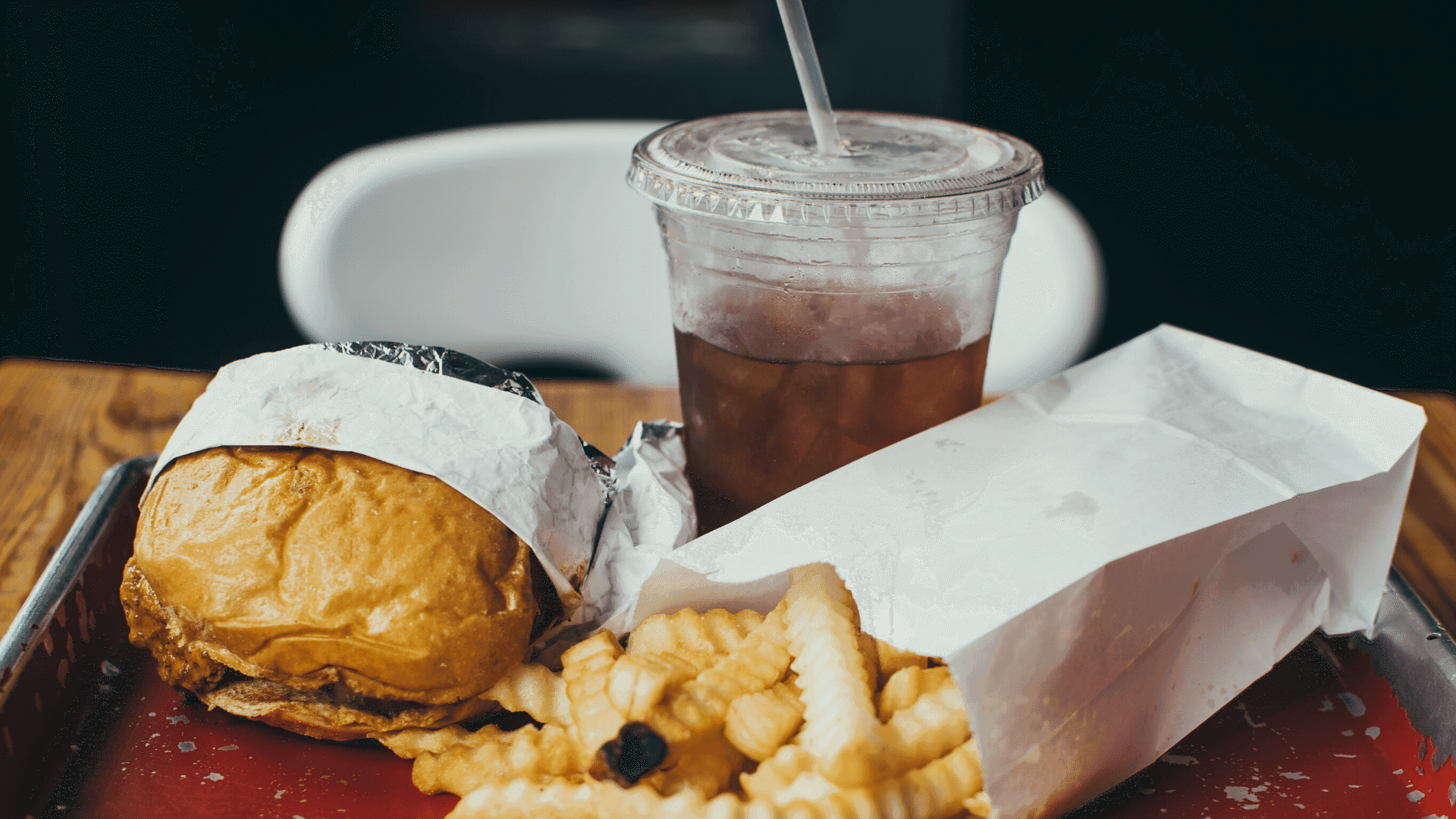

Nearly 75% of all restaurant traffic now happens off-premises. Three out of four orders walk out the door, ride away in a car, or land on someone's doorstep. For an industry built on the dining room experience, this represents a complete inversion of everything restaurants thought they knew.
The invisible majority
For decades, restaurants revolved around a simple premise: customers come to you. They walk through your door, sit at your table, experience your atmosphere, and (hopefully) return again. The entire industry was designed around that moment of connection.
Now, most of your customers will never sit down within the four walls of your business.
Aidan Vetter, partner at Burger 25, lives this reality every day. "60% of our business is to go," he said. "So we need to be able to give them that culture that they feel when they get into the store that they get online."
That sentence contains the central challenge facing every restaurant operator today: How do you excel at serving customers you rarely see?
Subscribe to Data by Toast
Use Toast’s data insights to get ahead of the curve and track market trends on menu pricing, industry patterns, and more.
Bằng việc gửi, bạn đồng ý nhận email tiếp thị từ Toast. Chúng tôi sẽ xử lý thông tin của bạn theo tuyên bố về quyền riêng tư. Thông tin bổ sung dành cho cư dân California có tại tại đây.
When everything changed
The transition wasn't necessarily smooth. Joe Fontana, founder of Fry the Coop, remembers the chaos of the early days.
"Years ago, every delivery partner had to have its own tablet,” he said. “We're talking dings going off, and then you have to take that order and then re-put it into your POS system so it fires in the kitchen. So it was actually a mess to start."
Multiple tablets cluttered counters. Staff scrambled to manually re-enter orders during the busiest periods. The technology that was supposed to expand reach was instead creating operational nightmares. Restaurants found themselves wrestling with systems designed for an entirely different business model. One where customers were right in front of you, not miles away.
Over time, the industry adapted. Platforms integrated and helped streamline the chaos. Orders now flow seamlessly to kitchen screens regardless of source. But solving the technical problem didn’t necessarily solve the next one: maintaining hospitality.
Hospitality through a screen
When someone dines in your restaurant, they experience everything first-hand: your atmosphere, your service, your environment, the way light hits the tables, how the staff greets them. When someone orders delivery, all they experience is the food and how it was packaged.
So how do you deliver hospitality through a screen, a bag, a box?
For Vetter and Burger 25, the answer has been meeting customers everywhere they are. They created a branded mobile app and offered free milkshakes to anyone who downloaded it. They placed QR codes at every table. They use custom-printed bags for deliveries. They send email campaigns that reflect their personality.
The results tell the story: repeat customers doubled. Loyalty program members stick around nearly four times longer and generate more than twice the lifetime value of non-members. Every email marketing campaign they've launched has generated over six figures in sales.
Vetter focuses primarily on culture. He emphasizes that the key is extending the same welcoming feeling a guest would experience in person to when they are dining off-premise on their couch.
"We do a tremendous amount of delivery here," Vetter said. "It's allowing us to bring our culture, bring our custom printed bags to someone's doorstep."
Every delivery becomes a brand touchpoint, reaching customers who might never walk into the physical restaurant.
Rethinking everything
The dominance of off-premise dining oftentimes forces restaurants to reconsider fundamental aspects of their business.
Menu development now accounts for travel time and packaging limitations. What works beautifully on a plate doesn't always translate to a takeout container after twenty minutes in transit.
Marketing strategies have evolved to meet customers where they are, literally. When most of your interactions take place through screens and apps digital engagement becomes essential to maintaining and growing guest relationships.
Communication matters. For Burger 25, email marketing has become crucial for staying connected with off-premise customers in ways that feel personal rather than purely transactional.
The restaurants that stand out include small touches that create memorable moments. They invest in packaging that reflects their brand. They ensure food arrives in a condition that represents their standards. The goal is to make customers feel valued regardless of how they interact with your restaurant.
The new reality
The 75% off-premise statistic provides insight into where the industry is headed. The challenge for operators is how to excel at off-premise service while maintaining the quality and service standards their customers expect.
For Vetter, the mindset is clear. "I want to organically grow and see how big we can get this thing," he said. "With everything integrating with each other and using the tools that we have, I think that the sky is the limit for us."
For an industry built on adaptation and reinvention, this represents both challenge and opportunity. The ability to serve customers excellently regardless of where they're eating may increasingly define success.
Whether a customer enjoys their meal at table two or on their living room sofa, the core promise remains the same: good food and good service make the experience. The difference now is that three out of four times, that promise is being delivered somewhere other than a dining room.
TUYÊN BỐ MIỄN TRỪ TRÁCH NHIỆM: Thông tin này chỉ được cung cấp cho mục đích tham khảo chung và việc xuất bản không cấu thành sự xác nhận. Toast không đảm bảo tính chính xác hoặc đầy đủ của bất kỳ thông tin, văn bản, đồ họa, liên kết hoặc các mục nào khác có trong nội dung này. Toast không cam đoan bạn sẽ đạt được kết quả cụ thể nào nếu bạn làm theo lời khuyên bất kỳ trong tài liệu này. Bạn nên tham khảo ý kiến của chuyên gia như luật sư, kế toán viên hoặc cố vấn kinh doanh để được tư vấn cụ thể cho tình huống của mình.