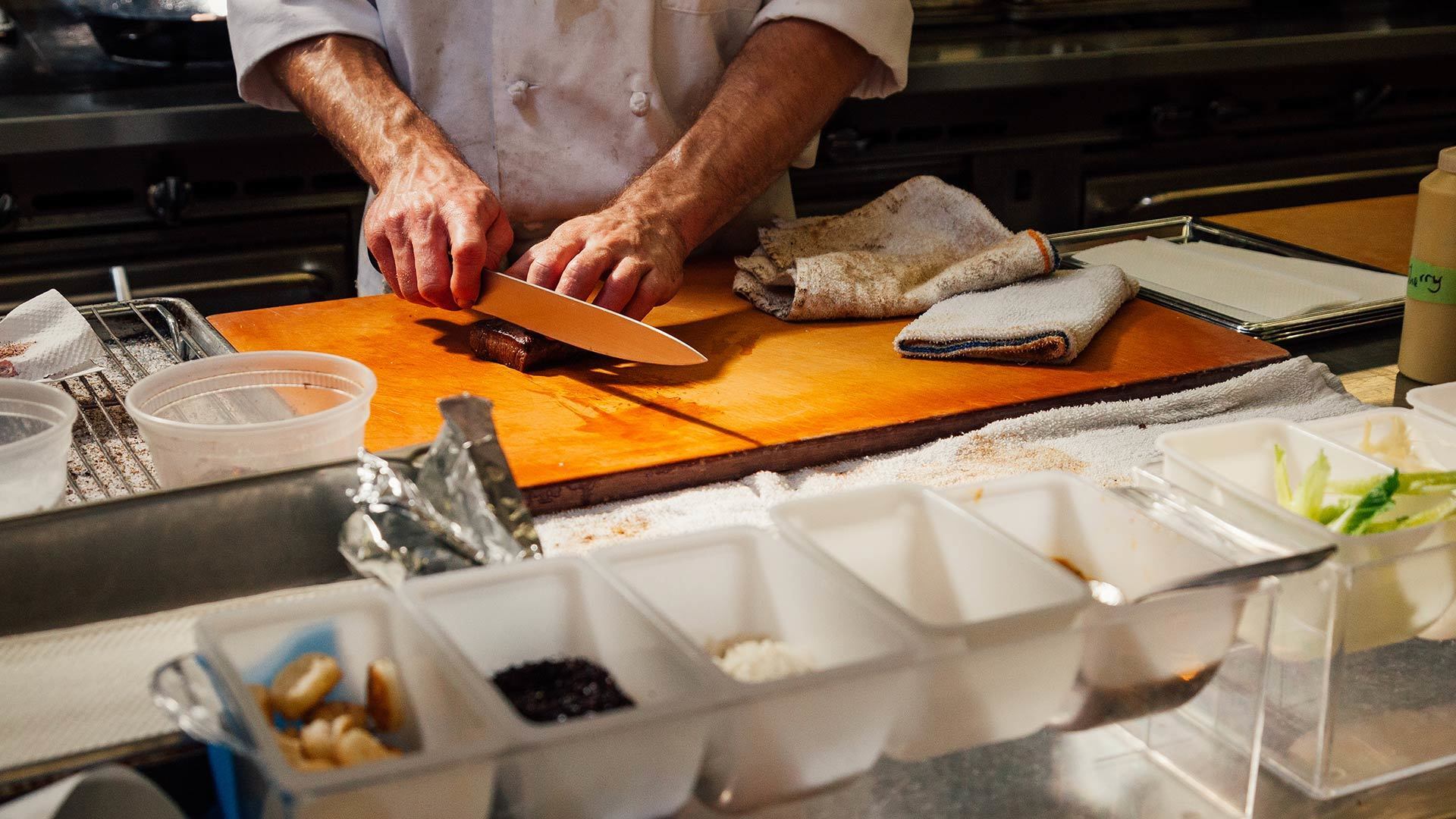
How to Create a No-Fail Kitchen Prep System in Ireland
Preparation increases efficiency in the kitchen. Never feel unprepared to start a shift again with this no-fail kitchen prep system.

Author
When your kitchen is well-prepped, everything else falls into place. A streamlined back-of-house process keeps your team focused, your inventory lean, and your guests happy — and it all starts with a strong prep system.
Here’s how to build a formal, foolproof kitchen prep strategy.
Why Kitchen Prep Matters
In busy Irish restaurants and cafes, good prep work makes all the difference. It keeps service running smoothly, stops you from panicking during the rush, and lets your team focus on getting the food right and keeping customers happy.
According to the Toast Consumer Preferences Survey 2025, where 200 Irish hospitality workers were surveyed on their training preferences, 60% say ongoing training is extremely important — and they overwhelmingly prefer on-the-job mentorship to printed manuals. Training and prep go hand in hand when it comes to consistent execution and smooth handovers between shifts.
Step 1: Build Your Opening Checklist
Get your team off to a strong start by documenting key morning tasks:
Powering up fryers, ovens, and refrigeration units
Restocking mise en place stations and prepping garnishes
Refilling cleaning materials
Logging equipment and temperature checks
70% of Irish restaurant operators already use both opening and closing checklists, with 39% updating them monthly to stay ahead of operational challenges.
Step 2: Standardise Your Closing Routine
Your close-down checklist should be just as robust:
Deep-clean prep surfaces and sweep/mop floors
Store and label leftover ingredients properly
Power down and sanitise kitchen equipment
Prep inventory for the next shift
Creating a consistent routine helps set up the next team for success, while avoiding late-night oversights that affect morning service.
Step 3: Schedule Periodic Prep
Not everything needs to be done daily. Larger-batch items like house sauces or dressings can be scheduled for quieter midweek shifts. For cleaning, create a rotating deep-clean calendar that covers walk-ins and lesser-used surfaces.
Inventory prep is another area to tackle in phases. Operators can boost accuracy by assigning staff to specific categories (e.g., proteins, produce, dry goods) and reviewing counts against par sheets.
Step 4: Optimise Inventory and Portioning
Too much stock takes up space and risks waste. Too little and your team is scrambling mid-service.
Use FIFO (first in, first out) methods and set thresholds for when to reorder. Consider integrating your inventory tracking with your EPOS system to automate reports and alerts.
According to the Voice of the Restaurant Industry in Ireland, FSR operators list inventory management among their biggest challenges, second only to payroll and health/safety compliance.
Step 5: Use Kitchen Tech to Your Advantage
Smart technology can take the guesswork out of prep. Use sales data to anticipate demand and automate prep sheets. Digital recipe cards, for example, make it easier to train new staff and ensure accurate portioning.
25% of Irish restaurateurs now say their priority is to start using tech to better run their business. Tools like Toast POS offer integrated inventory and recipe management that scale with your operation.
Step 6: Train for Consistency and Accountability
Your prep system is only as strong as the team behind it. That’s why clear checklists, consistent onboarding, and peer mentoring matter.
In Ireland, 76% of hospitality staff say they value on-the-job mentorship over formal training manuals, and 61% say ongoing training is essential to their performance.
Conclusion: Prep Is Power
From small kitchens to large restaurant groups, the most successful Irish operators treat kitchen prep as a core business function — not a background task. The results? Faster service, happier staff, and a more consistent guest experience.
With structured routines, smart technology, and empowered teams, you can transform your kitchen into a confident, coordinated machine.
 TOAST TECH
 Built for restaurants just like yours.
Toast’s restaurant technology includes point of sale, kitchen display screens, online ordering and more.

Is this article helpful?
DISCLAIMER: This information is provided for general informational purposes only, and publication does not constitute an endorsement. Toast does not warrant the accuracy or completeness of any information, text, graphics, links, or other items contained within this content. Toast does not guarantee you will achieve any specific results if you follow any advice herein. It may be advisable for you to consult with a professional such as a lawyer, accountant, or business advisor for advice specific to your situation.

Subscribe to On the line
Sign up to get industry intel, advice, tools, and honest takes from real people tackling their restaurants' greatest challenges.
By submitting, you agree to receive marketing emails from Toast. We’ll handle your info according to our privacy statement. Additional information for California residents available here.