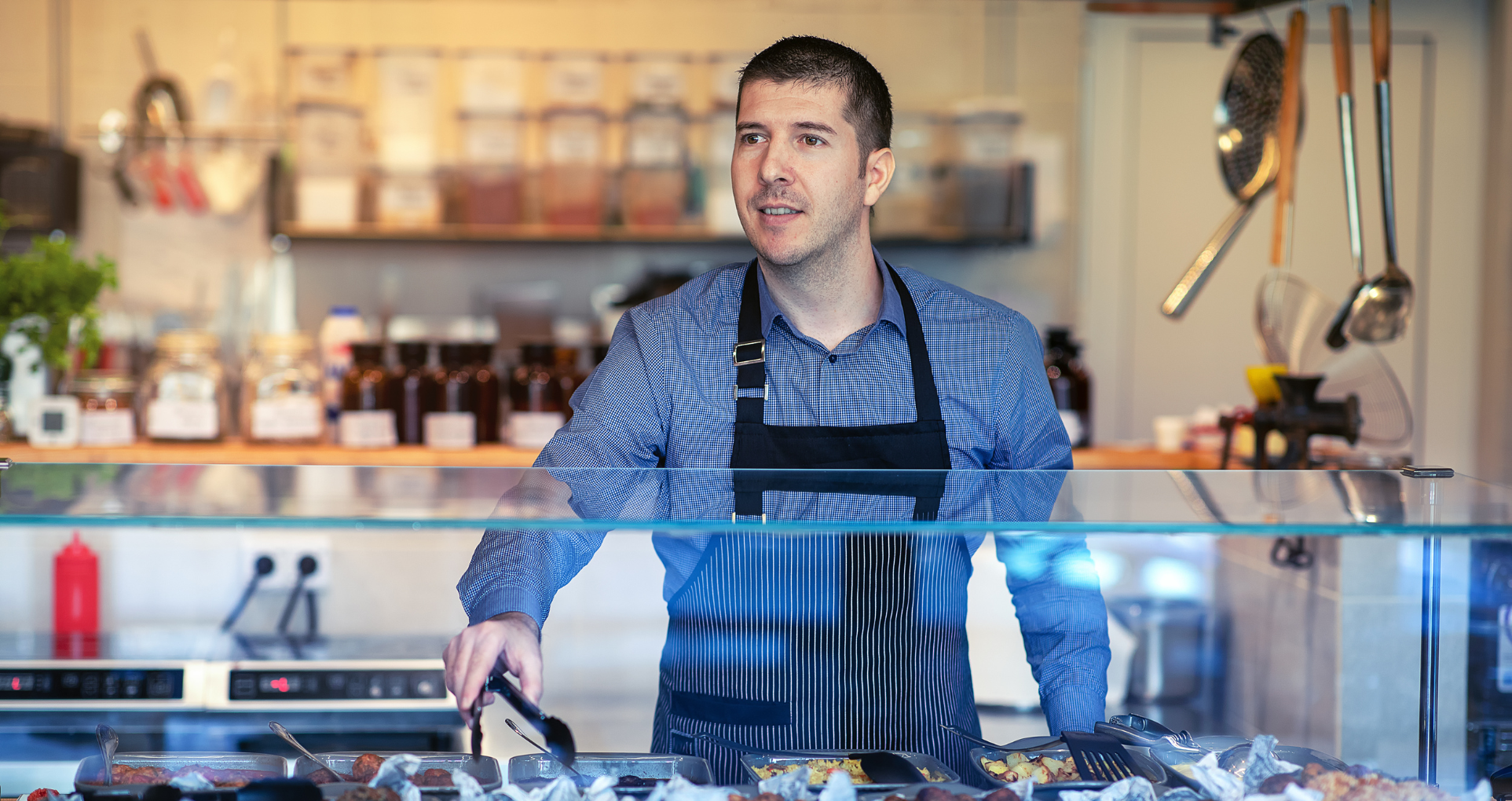
How Solo Restaurant Owners in Ireland Can Keep Track of Everything
A practical Irish guide for solo restaurateurs to stay on top of cash flow, inventory, staff, menu, compliance, and guest loyalty.
Author
Running a restaurant on your own doesn't have to feel overwhelming. With the right systems and a clear weekly routine, you can transform chaos into confidence whilst building the business you've always dreamed of.
The Solo Owner Reality And How to Thrive
Being the chef, server, accountant, and marketing manager all at once might sound impossible, but here's what we know - solo operators often run tighter, more profitable operations than larger teams. You're closer to your customers, you know exactly where every euro goes, and you can pivot faster than any corporate chain.
The hospitality landscape in Ireland is challenging right now, with over 150 food-led businesses closing in the first quarter of 2025 alone, but the ones succeeding share something in common: they've mastered the art of systematic operations.
According to ResDiary, over a third of Irish restaurant and bar operators believe they’ll bring in more revenue this year than last. That’s proof that growth is still on the table — if you’ve got the right systems in place. The trick isn’t piling on more hours, it’s working smarter with tools and routines that actually move your business forward.
The Solo Owner’s Weekly Playbook
You could think of this as your operational heartbeat. Each task takes 15-40 minutes and together they keep your finger firmly on the pulse of your business.
Monday: Cash Flow and Payables (20-30 minutes)
Start your week by understanding exactly where you stand financially. Review weekend sales figures, check your tip distribution, and scan through your product mix to spot anything that's dragging your margins down. Pay your priority suppliers and set calendar reminders for anything due this week. If you serve alcohol, double-check your VAT treatment since alcohol typically falls under the standard rate even within catering bills.
Tuesday: Inventory and Pricing (30-40 minutes)
Keep an eye on your biggest cost drivers — your top 20 ingredients. If supplier prices creep up, update your recipe costs right away. And before you hike menu prices, look at portions first. Often a small tweak that still fills the plate can protect your margins without turning guests off. Remember, price plays a role in nearly 8 out of 10 Irish diners’ decisions, so every change needs to be thoughtful (source: Toast Consumer Preferences Survey 2025).
Wednesday: Menu Engineering and Usability (25-30 minutes)
Lead with your hero dishes and house favourites. 84.5% of Irish diners say house favourites influence their choices, so make these obvious and irresistible. Trim anything that isn't selling well or travelling poorly from kitchen to table. Keep your menu design scannable since 73% of Irish guests still prefer printed menus (source: Toast Consumer Preferences Survey 2025).
Thursday: Staffing and Scheduling (20-25 minutes)
Even as a predominantly solo operation, you'll need help during peak times and for cover. Keep detailed working time records including start times, finish times, and breaks because labour inspectors will definitely ask for these. Ensure you have a written Safety Statement and follow HSA guidance for the catering and hospitality sector.
Friday to Sunday: Guest Feedback, Loyalty, and Listings (15-20 minutes)
Close the feedback loop on reviews and use loyalty programmes to convert happy first-time visitors into regular customers. Keep your Google Business Profile updated with current opening hours, especially during bank holidays, and maintain fresh photos that showcase your best dishes and atmosphere.
Your Daily Control Panel - What to Check Every Day
Your daily dashboard should include sales compared to last week (excluding comps and voids), your cost of goods sold over the rolling seven days, labour hours including your own time versus hourly sales, your live 86 list and any stockouts you've successfully avoided, plus guest signals like ratings, negative feedback patterns, and repeat visit rates through your loyalty programme.
Short on time? Focus on product mix, your 86 list, and today's labour costs. These three metrics alone will protect your margins and guest experience.
Quick Wins You Can Implement This Week
Shrink your menu to a "hero twelve" featuring your highest-margin dishes that consistently deliver excellent results. 63% of Irish consumers say menu design and layout significantly influence their decision to return, so make every dish count (source: Toast Consumer Preferences Survey 2025).
Set your ambience for comfort and connection. Our same survey shows that around 60% of Irish diners prefer warm, dimmed lighting when dining out, which creates the perfect atmosphere for longer stays and higher spend per customer.
Take the pressure off by automating the jobs that eat up your time. Let handheld orders flow straight to the kitchen so there’s no double-keying. Make loyalty effortless by linking cards so guests earn and redeem points without extra apps or stamp cards. When rewards run in the background, your regulars keep coming back — and your revenue becomes more predictable.
Make compliance inspections completely boring by having your allergen matrix, HACCP logs, and working-time records printed and organised, with digital copies as backup.
Resources You'll Actually Use
The Food Safety Authority of Ireland provides everything you need for running a food business, including detailed allergen requirements for non-prepacked foods.
The Health and Safety Authority offers specific guidance for catering and hospitality operations, along with safety statement templates and tools like BeSMART.ie to help you stay compliant.
Employment law guidance is available through the Workplace Relations Commission and its guides and booklets, while VAT specifics for restaurants are outlined on Revenue’s website.
The Restaurants Association of Ireland, representing more than 3,000 members, provides lobbying, training, and access to approved suppliers that directly support independent operators.
For practical operational insights, explore hospitality research from University College Cork’s Food Business & Innovation programme and Cork University Business School, which regularly publish studies on small business management in Ireland’s food sector.
Learning from Garret Fitzgerald at Chimac Dublin
Some of the best lessons come from watching how other Irish restaurateurs solve problems in their own way. Take Garret Fitzgerald at Chimac in Dublin — his place is built around just two things: Korean fried chicken and beer. In Korea, the pairing is so popular it even has its own word, ‘chimac.’ By keeping the concept that focused, he’s made operations simpler and the brand instantly memorable.
Speaking on The 5 Minute Food Entrepreneur Podcast, Garret shares how he and his partner Sofie brought this Seoul street food concept to Dublin's competitive dining scene. Their approach demonstrates several key principles that solo operators can apply regardless of cuisine type. Watch the interview below.
Bringing It All Together
Success as a solo restaurant owner isn't about having a bigger team or more resources. It's about having tighter systems and one reliable source of truth for your operations. Start with the five-part weekly routine, lean on Irish regulatory guidance to keep compliance straightforward, and use loyalty programmes to convert today's satisfied customers into next month's predictable revenue.
Running a restaurant in Ireland isn’t easy right now. But the owners who come out on top are the ones who keep their systems tight before adding more staff. Being small doesn’t hold you back — it’s the edge that lets you move faster, stay closer to your guests, and run leaner than the big players.

Your restaurant data, anytime, anywhere
Toast Reporting & Analytics gives you real-time access to sales, labour, and menu performance data—all in one place. Track trends, compare locations, and make smarter decisions from any device.

Is this article helpful?
DISCLAIMER: This information is provided for general informational purposes only, and publication does not constitute an endorsement. Toast does not warrant the accuracy or completeness of any information, text, graphics, links, or other items contained within this content. Toast does not guarantee you will achieve any specific results if you follow any advice herein. It may be advisable for you to consult with a professional such as a lawyer, accountant, or business advisor for advice specific to your situation.

Subscribe to On the line
Sign up to get industry intel, advice, tools, and honest takes from real people tackling their restaurants' greatest challenges.
By submitting, you agree to receive marketing emails from Toast. We’ll handle your info according to our privacy statement. Additional information for California residents available here.