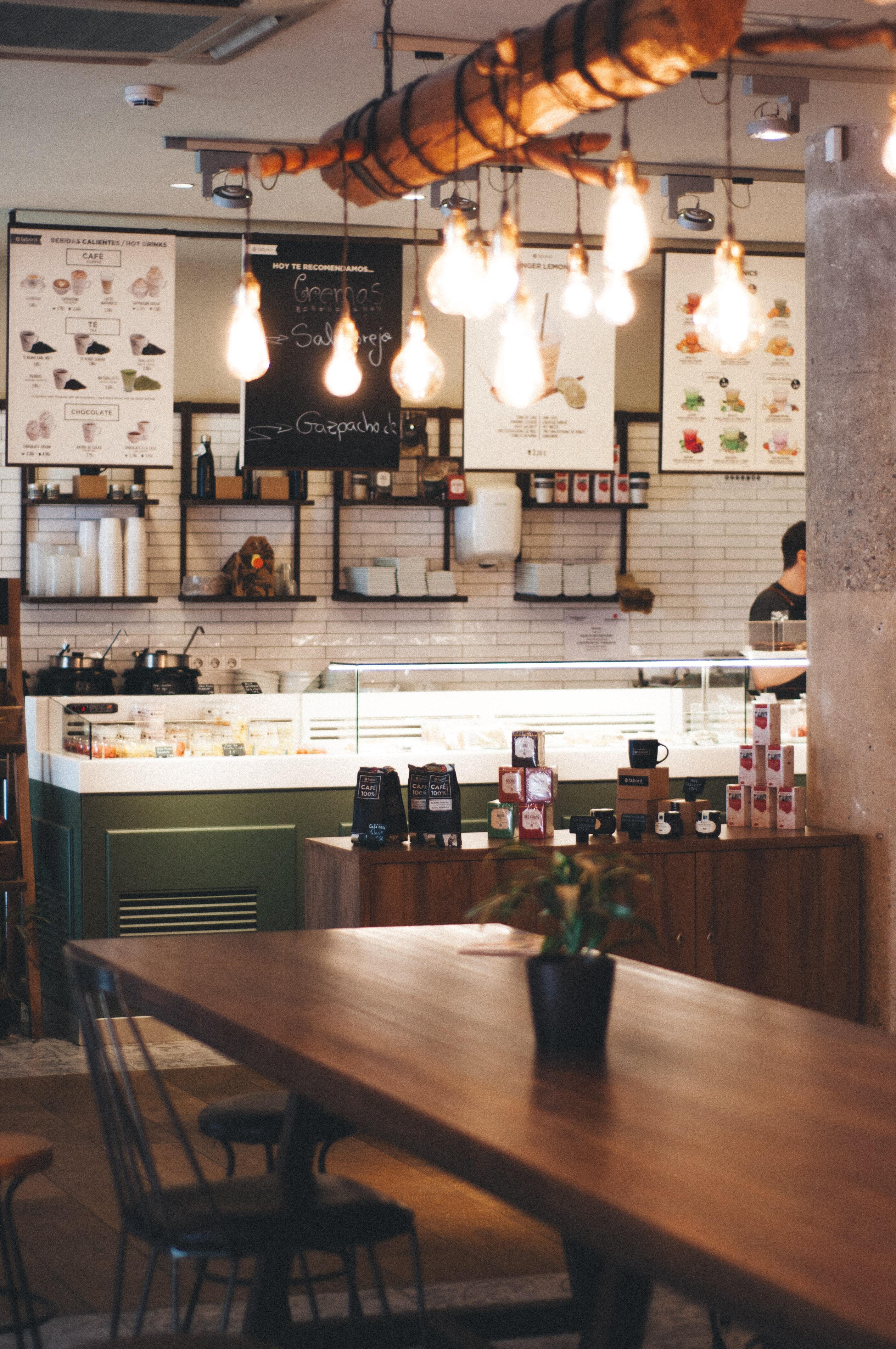
How to Design a Coffee Shop Floor Plan in Ireland
Here’s how to design the coffee shop floor plan of your dreams.
Author
Opening a coffee shop in Ireland is about more than crafting perfect flat whites. It’s about designing a space that welcomes, delights, and keeps guests coming back.
Restaurant Business Plan Template
No matter where you’re at in your restaurant ownership journey, a business plan will be your north star. Organise your vision and ensure that nothing is overlooked with this free template.

What Is a Coffee Shop Floor Plan?
A coffee shop floor plan is the physical blueprint of your venue. It outlines every area: seating, till points, barista stations, kitchen space, toilets, staff areas, storage, and any outdoor sections.
But a great floor plan goes beyond logistics—it’s a silent guide that shapes how guests move, feel and interact in your space.
In short, it’s part flowchart, part mood board, and 100% essential to your success.
Why Layout Design Matters in Irish Hospitality
In Ireland, layout isn't just about space—it's about creating an experience that stays with people long after they've left. Whether you're opening your doors for the first time or expanding an established venue, getting your layout right from the start can be the difference between a thriving business and one that merely survives.
The coffee shop and café scene here has never been more competitive, and the truth is that atmosphere and comfort now matter just as much as what's on the menu.
Recent research from the Toast Consumer Preferences Survey 2025, in which 200 Irish consumers were polled on their restaurant design preferences, reveals what many of us already suspected: nearly 58% of customers prefer cosy, rustic interiors that feel like a warm hug on a rainy day, while only a tiny fraction (just 3%) are drawn to stark, industrial spaces that were all the rage in the year 2000.
Step 1: Understand Your Space and Regulations
Start by mapping out what you’re working with—your square footage, ceiling height, natural light, and foot traffic patterns. Think practically: where’s your power supply? Can customers see your till from the entrance?
You’ll also need to comply with Irish building standards. This includes step-free access and accessible toilet facilities for most public venues. Detailed guidelines can be found via the National Disability Authority.
Step 2: Build a Customer-Centric Flow
Irish guests expect clarity. According to the Toast Consumer Preferences Survey 2025, 55% want clearly marked ordering queues, and 66% prefer layouts with defined zones for ordering, waiting, and dining.
To meet these needs, place the till and pickup area near the entrance, and use signage to guide customers.
A smart layout reduces confusion, speeds up service, and creates a better experience all around.
Step 3: Prioritise Comfort and Community
For Irish diners, comfort is king. In fact, seating comfort outranks even Wi-Fi and lighting when it comes to deciding where to spend time.
To meet these expectations:
Mix booth seating, high-top tables and cosy armchairs
Offer varied seating options for different groups—solo diners, remote workers, catch-up chats
Add outdoor seating—85% of Irish guests say they prefer cafés with outdoor space
Include a lounge zone—63% say they’ll stay longer if sofas or soft seating are available
These small touches can increase dwell time, average spend, and overall guest satisfaction.
Step 4: Get the Coffee Bar Layout Right
Your coffee bar is the engine room. Get it wrong, and you’ll lose speed and consistency. Staff need:
Clear movement paths
Easy access to tools and ingredients
Line of sight to both guests and colleagues
Most Irish customers prefer some visibility into prep areas—without going full open kitchen. A partially open barista bar strikes the right balance: it invites curiosity but keeps the focus on service.
Explore tech like Toast handheld POS systems to speed up service and reduce queue times—particularly valuable during morning rushes.
Step 5: Consider Staff Space and Efficiency
Behind-the-scenes spaces matter too. Even in a small footprint, carve out:
A secure break area
Storage for uniforms, stock and equipment
A spot for admin and management tasks
In Ireland, 27% of restaurant owners now cite staff wellbeing and retention as key goals (source: Voice of the Restaurant Industry in Ireland report). Give your team the tools—and the space—they need to thrive.
Step 6: Make Accessibility Non-Negotiable
Good accessibility is good business. The top three features Irish customers value are:
Accessible toilets
Wide walkways
Clear, legible signage
As a general rule, allow at least 1.67 square metres per seated customer. This ensures guests using wheelchairs, prams or mobility aids can move comfortably through your venue.
Running a full-service model? Add a small waiting area. 43% of Irish customers say it improves their experience.
Floor Plan Examples and Templates
The floor plan example below highlights how you can incorporate clear egress paths in a restaurant or café setting. These are particularly important not just for regulatory compliance, but for guest and staff safety in emergency situations.
Exit routes should remain visible, accessible, and free from obstructions—something that should be built into your layout from day one, not retrofitted later.
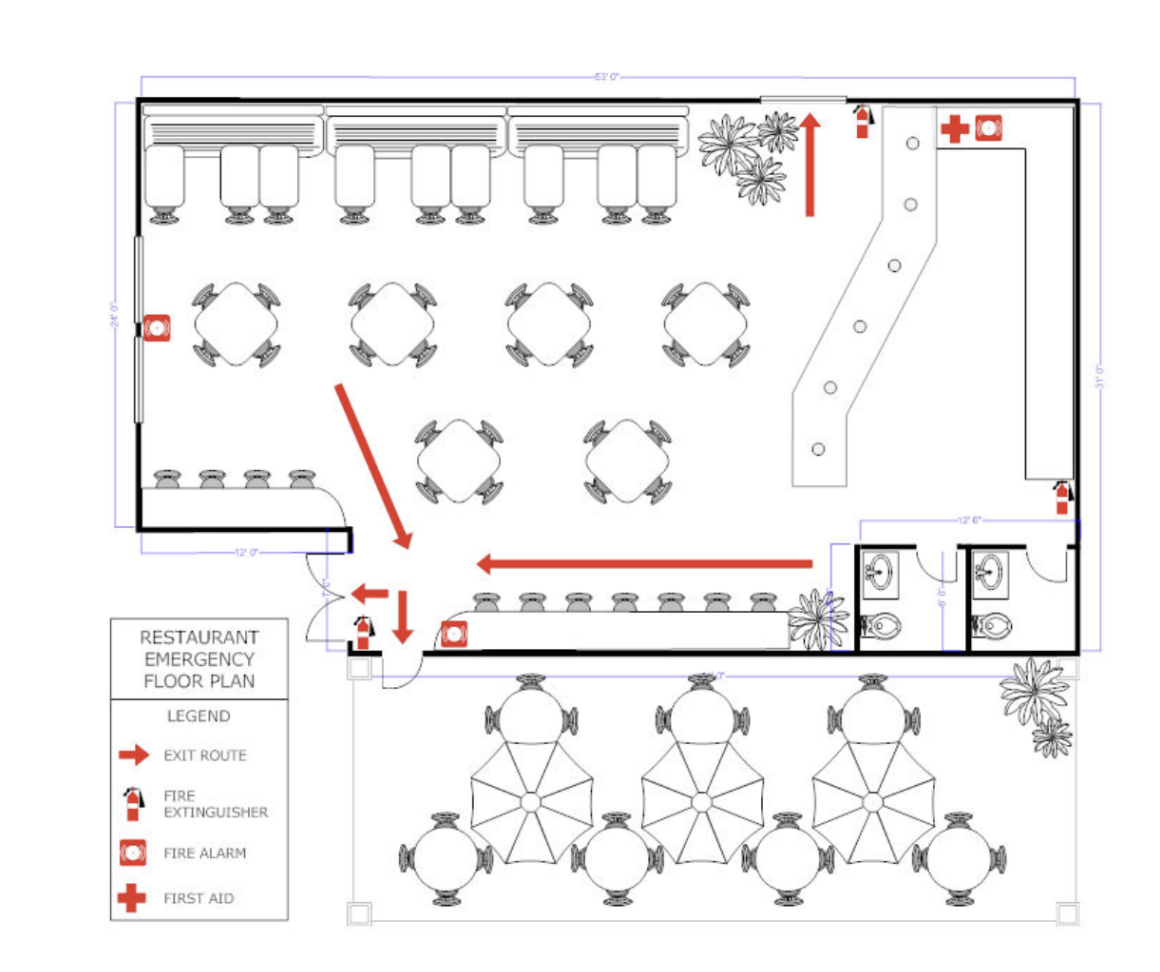
Source: AutoCad
Want to Future-Proof Your Coffee Shop?
Smart layout, the right tech and a strong brand experience can set your café up for long-term success. See how Bewley’s iconic café in Dublin reimagined its operations using the Toast platform. They cut table turn time by five minutes, improved guest experience, and gained greater control over their business using data from an integrated system.
Is this article helpful?
DISCLAIMER: This information is provided for general informational purposes only, and publication does not constitute an endorsement. Toast does not warrant the accuracy or completeness of any information, text, graphics, links, or other items contained within this content. Toast does not guarantee you will achieve any specific results if you follow any advice herein. It may be advisable for you to consult with a professional such as a lawyer, accountant, or business advisor for advice specific to your situation.

Subscribe to On the line
Sign up to get industry intel, advice, tools, and honest takes from real people tackling their restaurants' greatest challenges.
By submitting, you agree to receive marketing emails from Toast. We’ll handle your info according to our privacy statement. Additional information for California residents available here.