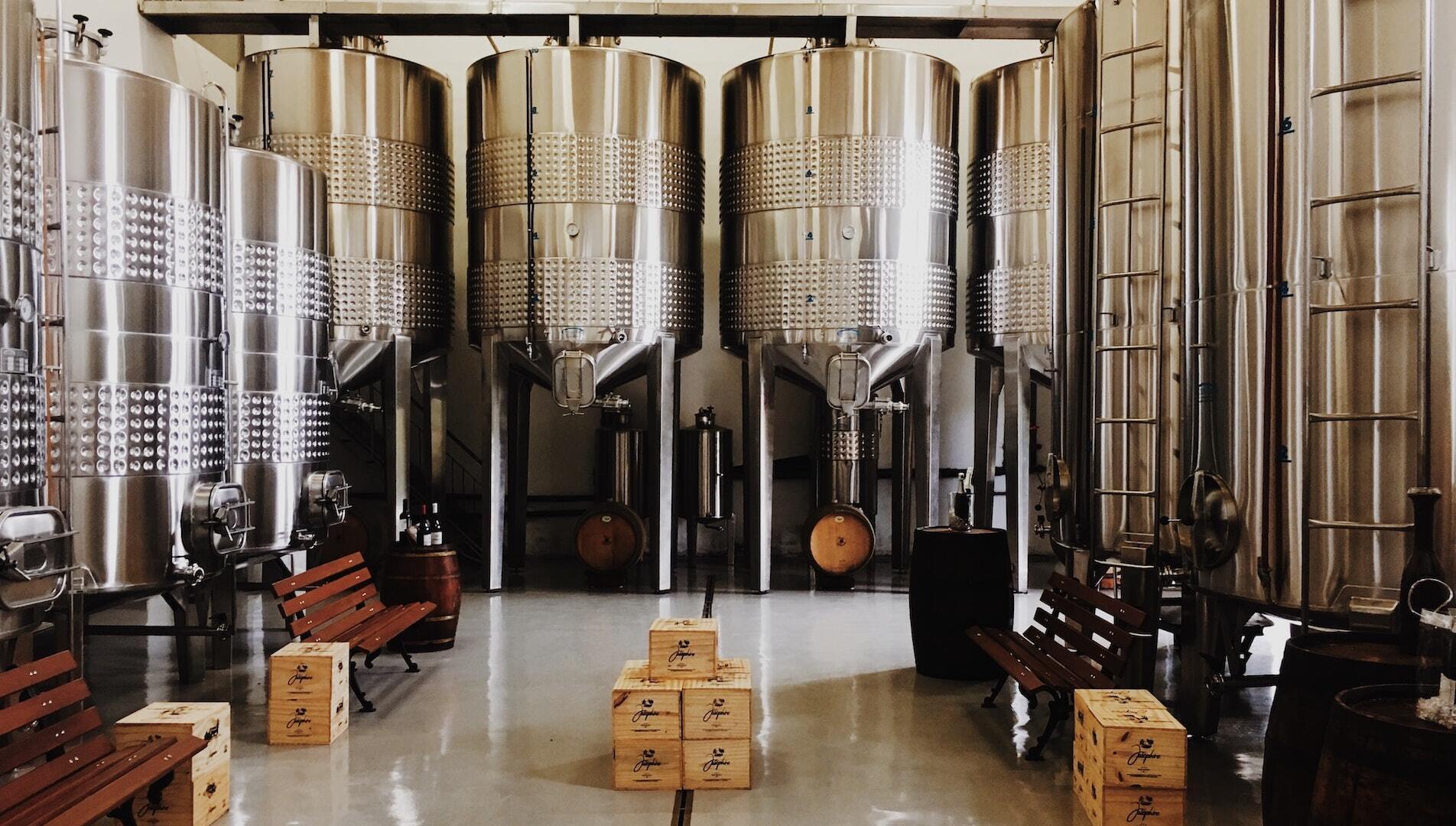
How to Write a Brewery Business Plan in Ireland
Thinking of opening a brewery in Ireland? Ale you need is this brewery business plan to get you started.
Author
Opening a brewery in Ireland is an exciting opportunity – but like any bold venture, it starts with a plan.
A well-thought-out business plan not only helps you get your head around the ins and outs of running a brewery, but it also acts as a powerful tool for securing investment and attracting future partners.
Restaurant Business Plan Template
No matter where you’re at in your restaurant ownership journey, a business plan will be your north star. Organise your vision and ensure that nothing is overlooked with this free template.

Why You Need a Brewery Business Plan
The Irish craft beer scene is thriving, but entering the market requires more than passion for brewing. A strong business plan helps you navigate regulatory requirements, set financial goals, and clarify your brand’s unique point of difference. It’s also essential for securing funding, forecasting cash flow, and laying the groundwork for scalable growth.
In Ireland, breweries must obtain a Brewer’s Licence and comply with the Health Service Executive’s environmental health requirements.
You’ll also need to register with the Companies Registration Office (CRO) and adhere to Irish tax and employment laws. For mobile or pop-up bars, local council permits and alcohol licences are a must.
The Rise of Craft Brewing in Ireland
Over the past decade, Irish consumers have developed a strong appetite for locally brewed, high-quality beers. According to the Voice of the Restaurant Industry in Ireland report, over 50% of Irish restaurateurs planned to open a new location or concept in 2025 – with many turning to innovative models like taprooms and hybrid venues to engage customers and boost margins.
From Dublin’s city centre to rural Munster, breweries are becoming community hubs – places where guests expect an immersive experience as much as a great pint. And with 30% of survey respondents in Toast’s Consumer Preferences Survey 2025, citing beer variety as their top reason for visiting breweries or taprooms, carving out a distinct beer profile matters more than ever.
What to Include in Your Brewery Business Plan
Here’s what to cover in your plan to set yourself up for success:
1. An Executive Summary
Introduce your brewery concept, vision, mission statement, and goals. Highlight your proposed location, format (e.g., microbrewery, brewpub, taproom), and the unique guest experience you plan to offer.
2. A Company Overview
Outline your legal structure – e.g. sole trader, limited company – and ownership breakdown. Introduce key players on your team and explain how your brewery will operate, from beer production to distribution and front-of-house service.
3. Strong Market Analysis
Define your target audience and evaluate competitors in your local area. Consider:
How many breweries already operate within a 10km radius?
What gaps exist in terms of product, location, or vibe?
Will you offer entertainment, local food partnerships, or events?
According to the Toast Consumer Preferences Survey 2025, in which 200 Irish consumers were polled on their brewery preferences, 28.5% choose breweries based on events and entertainment, and 20% for the atmosphere. These are key areas to differentiate and highlight in your concept.
You should also reference broader dining trends. For instance, 86% of Irish consumers say eating out is becoming too expensive, and almost half of Irish consumers look for higher value dining options when eating out (source: Report: Voice of the Restaurant Industry in Ireland). Offering value through good sourcing can give your brewery an edge.
4. The Product and Menu
Detail the styles of beer you’ll brew, and any seasonal rotations. Will you focus on IPAs, lagers, or Belgian-style ales? Will your menu include Irish pub classics or small plates to pair with each beer?
Consider using themes – for example, a brewery offering Belgian-style beers might serve croquettes and mussels with chips. Include a sample menu and pricing strategy to help investors understand your earning potential.
5. Team & Staffing Plans
Outline how many team members you’ll need at launch and as you scale. From brewers to front-of-house to kitchen staff, detail your recruitment and training approach. With recruitment and retention named one of the top challenges in Ireland’s restaurant industry, showcasing a people-first culture could sway investors.
6. Business Operations
Explain your day-to-day operations including production, scheduling, ordering, and staffing. Choose a POS system built for breweries, with support for bar tabs, keg tracking, mobile ordering, and events.
Irish pubs and restaurants could think about using handheld devices and digital ordering systems to speed up table turn times.
7. Financial Forecasts
Include a start-up budget, profit & loss projections, cash flow forecast, and break-even analysis. Highlight expected revenue from beer sales, merchandise, food (if applicable), and event bookings.
Don’t forget to budget for:
Brewing and kegging equipment
Insurance and licensing
Furnishings and fit-out
Labour (generally 15% of overall cost)
Restaurant technology (typically about 10%)
According to Hospitality Ireland, 70% of Irish restaurants saw a decline in profitability in 2023, making it more important than ever to control costs and optimise pricing.
8. Funding Requirements
In your business plan, clearly outline how much funding you need and how you’ll spend it – from brewing equipment and licences to rent, tech, and staffing. Then look at the funding options that suit you best:
• Crowdfunding: Republic Europe is a good way to gain early hype and community traction.
• Angel Investing: Meet with investor organizations such as HBAN to receive funding and guidance.
• Government Support:
Microfinance Ireland offers start-up loans up to €25,000.
Enterprise Ireland’s HPSU Fund supports scalable start-ups.
LEOs provide grants, mentoring, and supports for food and drink businesses.
• Bank Financing: Explore start-up packages from AIB, Bank of Ireland, and Permanent TSB.
Investors will expect a clear, realistic plan for how funding will support your launch and growth – show them you’re ready.
9. Consumer expectations: what Irish guests want
When it comes to standing out, remember what Irish consumers value most.
According to our Consumer Preferences Survey:
42% said unique flavours or menu items make a venue stand out
38.5% choose small, independent restaurants because they support local businesses
30% visit breweries primarily for the variety of beer
Your business plan should show how you’ll meet these expectations affordably and memorably.
Other Helpful Resources
What’s It Like Behind the Scenes at an Irish Brewery?
Step into Galway Bay Brewery’s Beer Temple in Dublin and learn about how they bring forward bold, local flavours. Watch the video below to see how passion, precision, and creativity come together to craft beers that reflect Ireland’s unique character and taste.
It’s a Wrap
With the proper planning, resources, and vision, your brewery can be a scalable, profitable venture that gives back to your community. Use this article to guide you and make your business plan your own to reflect your brand, your objectives, and position in Ireland’s changing hospitality industry.
Is this article helpful?
DISCLAIMER: This information is provided for general informational purposes only, and publication does not constitute an endorsement. Toast does not warrant the accuracy or completeness of any information, text, graphics, links, or other items contained within this content. Toast does not guarantee you will achieve any specific results if you follow any advice herein. It may be advisable for you to consult with a professional such as a lawyer, accountant, or business advisor for advice specific to your situation.

Subscribe to On the line
Sign up to get industry intel, advice, tools, and honest takes from real people tackling their restaurants' greatest challenges.
By submitting, you agree to receive marketing emails from Toast. We’ll handle your info according to our privacy statement. Additional information for California residents available here.