Best Kitchen Display Systems for Restaurants in Ireland
Learn how the best kitchen display systems help Irish restaurants run smoother service, reduce errors, and improve visibility across the kitchen and floor.
Author
Running a busy restaurant kitchen has always required strong coordination, clear communication, and good timing. In recent years, those demands have only increased. Menus change more often, service styles are more complex, and staffing pressures mean teams need tools that help them stay aligned without adding extra noise or stress.
That’s where kitchen display systems come in. A kitchen display system helps you create a calmer, more controlled service environment. When orders flow clearly from front of house to kitchen, your chefs spend less time deciphering chits and more time cooking.
This guide looks at what the best kitchen display systems actually do in practice, how they support day-to-day restaurant operations in Ireland, and what to consider when evaluating options for your own kitchen.
What is a kitchen display system?
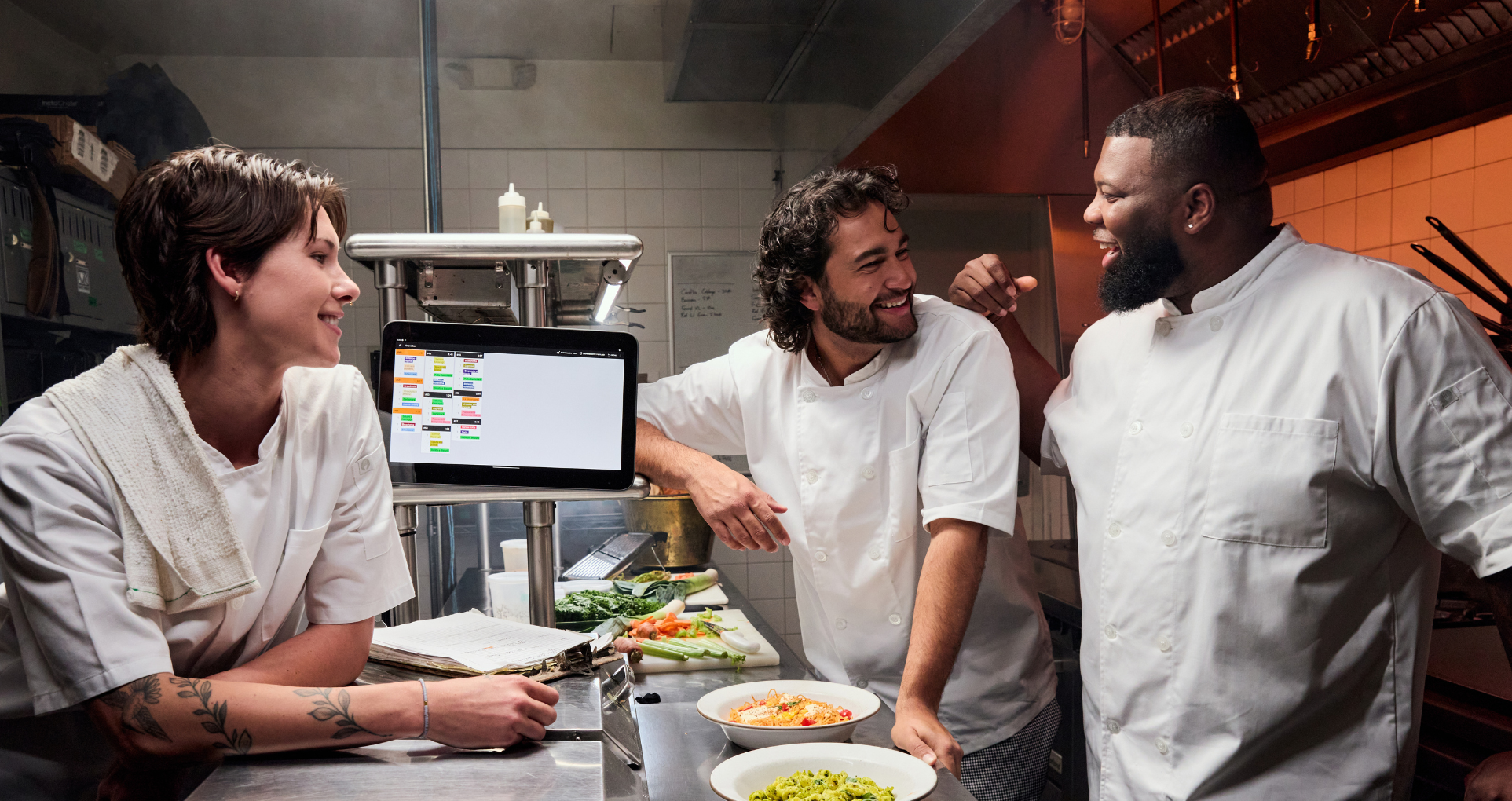
A kitchen display system, often referred to as a KDS, is a digital screen or set of screens that replaces or supplements printed kitchen tickets. Orders placed at the point of sale appear on screens in real time, showing items, modifiers, timing, and routing based on your kitchen setup.
Instead of paper tickets piling up or getting lost during busy service, the kitchen sees a live, shared view of what needs to be prepared, what’s in progress, and what’s ready to go out. In larger kitchens or multi-station setups, different screens can show different parts of the order, helping teams stay focused without stepping on each other’s toes.
For many restaurants, the real value of a kitchen display system isn’t the screen itself. It’s the way information moves more cleanly through the operation.
Why kitchen display systems matter during real service
It’s easy to think about kitchen technology in abstract terms. What matters more is how it behaves on a Friday night when the restaurant is full, the printer is jammed, and someone has just 86’d a key ingredient.
In those moments, a kitchen display system can take some of the pressure out of service by giving everyone one clear view of what’s happening. Orders show up as soon as they’re placed, updates are visible straight away, and the whole team is working from the same information. When there’s less guessing and fewer “where’s that order?” check-ins, the kitchen stays calmer and service keeps moving, even as the shift gets busier.
For general managers and operations teams, this visibility extends beyond the kitchen line. When the front of house can see order status clearly, they don’t need to keep checking in. That helps service feel smoother for guests and less pressured for staff.
Core capabilities to look for in the best kitchen display systems
Not all kitchen display systems are built the same way, and the differences tend to show up under pressure rather than in a demo. When evaluating options, it’s useful to focus on how the system supports your actual workflows rather than how many features it lists.
The strongest systems are designed to handle complex modifiers and special requests without cluttering the screen. Clear visual hierarchy matters here. Chefs need to see what’s important at a glance, especially during peak service.
Order routing is another critical capability. In kitchens with multiple stations, the ability to send different parts of an order to the right screen helps teams work in parallel instead of waiting on each other. This becomes especially important in restaurants that serve a mix of dine-in, takeaway, and delivery orders.
Timing and pacing matter just as much as visibility. A good kitchen display system isn’t only about showing new orders. It helps the team see what needs attention first, keep an eye on how long dishes have been in progress, and make sure plates move through the kitchen together. That way, food reaches the pass when it’s ready to be served, not too early and not too late.
Reliability is just as important. Kitchens are busy, high-heat environments, and equipment has to hold up through long shifts, spills, and constant use. Hardware that’s built specifically for restaurant kitchens is more likely to stay dependable over time, instead of becoming another thing the team has to work around during service.
How kitchen display systems support efficiency without cutting corners
We get it. Some owners worry that kitchen tech is just about rushing things through, even if quality takes a hit. But here's the thing: when your kitchen display system is set up properly, it actually helps protect the standards you've worked hard to build.
When orders are clear and consistent, chefs spend less time double-checking tickets and more time cooking. Modifiers are easier to spot, which helps avoid remakes, and better timing reduces the risk of dishes sitting too long under heat. And because the team can see what's coming down the line, they can pace their prep more smoothly—no more frantic scrambles during the dinner rush that put your standards under pressure.
From an operations perspective, this kind of efficiency is about control rather than speed alone. Restaurants in Ireland continue to face tight labour markets and rising costs. Tools that help teams do their best work with fewer interruptions can make a meaningful difference over time.
How a kitchen display system fits into a connected restaurant setup
A kitchen display system rarely works in isolation. Its value increases when it’s part of a connected platform where orders, payments, and reporting all flow through the same system.
When the kitchen display is connected directly to the point of sale, a lot of small headaches disappear. Menu updates, item availability, and modifiers stay in sync automatically, so the kitchen and the floor are always working from the same version of the order. That means less manual fixing on the fly and fewer mistakes creeping in during busy service.
And for you and your managers? The benefits don't clock out when the shift ends. You get a clear picture of prep times, order volume, and how service actually flowed. Over time, those patterns start to reveal themselves. This helps you make smarter calls about staffing, menu changes, and planning for those mad-busy periods. Less guesswork, more confidence.
For restaurants that are investing carefully and prioritising efficiency, this kind of integration can reduce the need for workarounds and duplicate systems.
Real-world example: Bewley’s, Dublin
Bewley’s Café in Dublin is a good example of how a kitchen display system can support a complex, high-volume operation without disrupting its character.
Before adopting a more integrated setup, the team dealt with slow devices, fragmented systems, and manual processes that made simple changes more time-consuming than they needed to be. During busy periods, those friction points added up.
By moving to a connected platform with a built-in kitchen display system, Bewley’s simplified how orders moved from the floor to the kitchen. Orders showed up clearly and consistently, which meant fewer interruptions and less back-and-forth during busy service. Instead of chasing updates, the team could focus on keeping things moving.
For managers, it also made it easier to see what was happening across the operation without needing to be in every place at once. Over time, that clearer view helped service feel smoother during peak periods and gave the team more control on busy days, improving the experience for both staff and guests.
How to evaluate kitchen display systems for your restaurant
Choosing the right kitchen display system isn't about picking the flashiest screen or the longest feature list. It's about finding something that actually fits how your kitchen runs, how your team works, and how you serve guests day to day.
Start by taking a good look at how orders move through your kitchen right now. Where do things tend to bottleneck when you're in the weeds? Think about how easily the system handles menu changes, daily specials, or seasonal tweaks and whether the information stays crystal clear when the pressure's on, not just during a calm demo.
Don't overlook onboarding and support, either. Tools that new starters can pick up quickly. They'll take a load off your training process. And having access to responsive, restaurant-savvy support when you need it (especially mid-service) can be an absolute lifesaver.
Where Toast fits into the picture
Toast is designed as a restaurant-first platform, with the kitchen display system built directly into the broader ecosystem rather than added on as a separate tool.
Toast’s kitchen display system is designed to support real-world service conditions, with hardware built for kitchen environments and software that reflects how restaurants actually operate day to day.
This means orders flow straight from your POS terminals, handhelds, kiosks, and online channels into the kitchen. Menus, pricing, and prep logic all stay lined up across the board, so you're not constantly patching things together with workarounds.
Final takeaway
The best kitchen display systems don't try to reinvent your kitchen. They're there to support it.
Irish restaurants are dealing with plenty right now—rising costs, staffing challenges, and everything in between. A well-chosen kitchen display system can bring real structure and clarity to your service, especially when it matters most.
If you're considering one, focus on what really counts: how it fits into your wider operation, how it holds up during those peak service periods, and how well it supports the people using it every single day.
Is this article helpful?
DISCLAIMER: This information is provided for general informational purposes only, and publication does not constitute an endorsement. Toast does not warrant the accuracy or completeness of any information, text, graphics, links, or other items contained within this content. Toast does not guarantee you will achieve any specific results if you follow any advice herein. It may be advisable for you to consult with a professional such as a lawyer, accountant, or business advisor for advice specific to your situation.

Subscribe to On the line
Sign up to get industry intel, advice, tools, and honest takes from real people tackling their restaurants' greatest challenges.
By submitting, you agree to receive marketing emails from Toast. We’ll handle your info according to our privacy statement. Additional information for California residents available here.