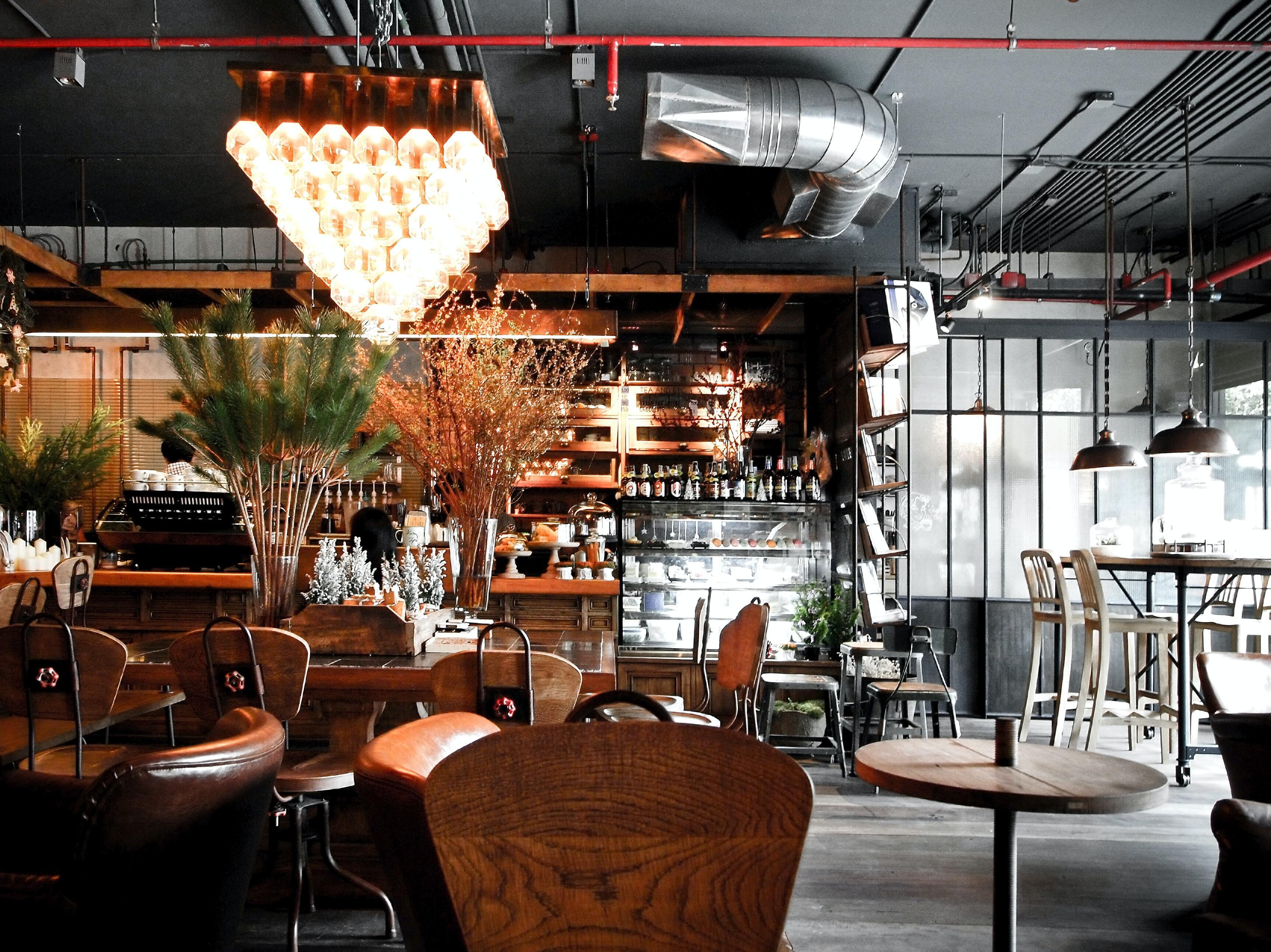
How to Open a Restaurant in Michigan
Opening a restaurant in Michigan? Turn your restaurant idea into a business plan, and follow these steps to get started.

Autor
 RECURSO
 Lista de verificación para abrir un restaurante
Abrir un restaurante implica un montón de cosas. Usa esta lista de verificación en PDF gratuita para que tu nuevo restaurante tenga éxito.
Obtener descarga gratisIt can take over a year to open a restaurant in Michigan — or even longer. Whether you want to open a new noodle place in Lansing, a Lebanese food truck in Detroit, or a takeout sushi spot in Dearborn, you’ll need to get through dozens of steps. Like any major bureaucratic business process, there are overlapping requirements that every business owner will need to check off in the right order to get it all done.
Whether this is your first food service establishment or your fifth, read on to learn about the 10 most important stages of opening a restaurant in the state of Michigan.
Lista de verificación para abrir un restaurante
Abrir un restaurante implica un montón de cosas. Usa esta lista de verificación en PDF gratuita para que tu nuevo restaurante tenga éxito.

How to start a restaurant in Michigan
1. Pick a restaurant concept
What’s going to make your restaurant unique? Before you write your business plan, you’ll have to decide on a type of restaurant to open. You probably have a million ideas swirling around in your entrepreneur brain, so answer the following questions to narrow down your concept:
Will you specialize in one cuisine? What menu items will be your star items?
What types of ingredients will you need, and where will you source them?
What’s the competition like in your area? How will you stand out?
Full-service, counter-service, or takeout only? How many staff members will you need?
Who’s your target market? What demographics do you plan to appeal to?
Will your restaurant be a small business and stay that way, or do you plan to expand and franchise?
What style of service will your front-of-house team offer?
What will the physical business look like? What kind of space will you need?
Outline your mission and values — and how they’ll impact your brand
As part of envisioning what kind of service and food you’ll provide, also think about what kind of work environment you’ll build — and how you’ll tie it all together with a mission and a few listed company values. This big-picture thinking will help guide your decisions as you hire staff and build your brand.
Finally, brainstorm and choose a business name and design your logo (or work with a designer to do so!). How will you represent your food, cuisine, and values with your aesthetic decisions? What colors, fonts, and shapes will draw the eye to your business — and instantly convey what you’re about?
2. Create a restaurant business plan
All Michigan businesses can benefit from writing out a business plan — and restaurant businesses, being exceptionally complex, can especially benefit from a thorough business plan.
A business plans has two main functions: it will help you present your business idea to potential sources of funding, and it’s a roadmap to opening day.
First, choose a type of business entity. Restaurateurs can pick from one of five business structures common in the US: LLC (limited liability company), sole proprietorship, partnership, S corporation, or C corporation. Learn about the benefits and drawbacks of each structure in our guide on restaurant business entities.
Then, choose a profit structure. Will you, the owner, collect all the profits? Or will you profit-share with employees? If you get investors, will you give them a stake in the business and the profits? You’ll need to work with a lawyer and accountant to draw up all the necessary paperwork and contracts.
Now you’re ready to start writing your restaurant business plan. Include the following sections:
Executive summary, including your restaurant name and what experience you have that will make this a successful venture.
Company overview, including your business model
Industry analysis (target market, location analysis, competitive analysis)
Marketing plan (how you’ll stand out from other food establishments and get people in the restaurant from the beginning)
Business model and service model
Operations plan (staffing needs, customer service policies and procedures, payroll plan, which restaurant POS you’ll get, which vendors and providers you’ll use for produce, laundry, and more, which types of business insurance you’ll get)
Financial analysis (investment plan, financial projections like break-even point, expected cash flow, expected costs)
Your contact information
Plantilla de plan de negocio para restaurantes
No importa en qué punto de tu recorrido como dueño de restaurante estés, el plan de negocio será tu estrella guía. Organiza tu visión y asegúrate de no pasar nada por alto con esta plantilla gratuita.
3. Secure Restaurant Financing
It costs anywhere from $95,000 to $2 million and beyond to start a restaurant in the US, so you’ll likely need to secure some external funding. New restaurants can find funding through SBA loans, lines of credit, crowdfunding, personal loans, bank loans, or alternative loans. Learn more about each of these options (among others), including application info and time to access cash, in our guide to restaurant financing and loans.
Calculadora de apertura de restaurantes
Esta calculadora te muestra algunos de los costos financieros más importantes de abrir un restaurante, de modo que puedas empezar a planificar y hacer que tu restaurante soñado cobre vida.
4. Choose a Michigan Restaurant Location (and Renovate and Decorate!)
Choosing a location is one of the most important business decisions you’ll make throughout this process — a great location may cost more but will generate way more business in the long run, compared to a mediocre or hard-to-access location (unless you’re building an off-prem-only restaurant).
Customer convenience is everything, so it’s worth doing some digging before you sign on any dotted lines. Conduct some market research on the demographics of your potential neighborhoods and learn all about the competing restaurants nearby.
Buying, leasing, or building restaurant space are all available options, but they each come with unique challenges and benefits. Whatever option you choose will impact how long your opening process is, as well as how much startup capital you’ll need.
Here’s some of the factors Michigan businesses should focus on when evaluating a restaurant space:
Target market and ideal customer profile
Real estate market conditions
Community population
Size of the site
Previous tenants and their experiences in the space
Zoning and previous type of usage of the space
Foot traffic and transit proximity, or car traffic and parking
5. Apply for Michigan Restaurant Licenses and Permits
Michigan restaurants will need to obtain state-specific licenses and permits before they’re able to formally start the business. Some licenses are federal, others are administered by the state, and others are given by your county or city.
The list below is not exhaustive — check with your local restaurant association and your local government to find out what you need.
Some of the licenses and permits you may need to open a restaurant in Michigan include:
Get an Employer Identification Number (EIN), which connects a new business to the IRS.
Register your business with the Michigan Department of Treasury to get a sales tax license (which functions as a business license in Michigan). Learn more in this Michigan Business Taxes registration booklet.
Get a food service establishment license application from the Michigan Department of Agriculture and Rural Development (MDARD) and submit it to your local city or county health department. You’ll need to do a plan review with the local health department, then they’ll do an on-site pre-opening inspection when you’re all ready to open. Learn more at the Michigan.gov food service license page.
Submit a certificate of occupancy request through the Michigan Department of Licensing and Regulatory Affairs, Bureau of Construction Codes/Building & Permits Division. This permit shows that the physical space has been inspected and found to be compliant with local building ordinances and other restrictions (after a new build or renovation).
Get a liquor license permit from the Michigan Liquor Control Commission, which you’ll need if you intend to serve alcohol at your food business.
Michigan food law says that restaurants need to have at least one certified food safety manager. Some counties will also require all employees to have a food handler card — so consult with your local health department. These food safety licenses show that either a manager or each staff member has been trained in the proper food handling protocols that prevent foodborne illness.
6. Develop your Menu and Beverage Program
After a tiresome and often frustrating licensing process, you’ll be rewarded with a fun task: planning your menu and beverage program. Write out all the ideas you have for menu items that fit your restaurant concept, and then whittle it down to a manageable number of options (with lots of overlapping ingredients for cost, inventory, and waste-reduction purposes).
You can do this task alone, or you can work with your chef or bar manager if you’ve already hired them — more on that process below. Run your menu and beverage options by your staff once you do hire them, as they’ll be the ones preparing these items every day. Plus, it shows you have faith in their skills and can give them pride of ownership in their work.
Create a few drafts and make sure your menu is unique, full of exceptionally delicious items, and that your menu makes your restaurant stand out from the competition.
Imad Mohamed, who owns and operates Galata Sweets in Dearborn, shared how his business differentiates itself. “A lot of local cafes only offer either sweet or savory options, whereas our cafe offers both. Plus, many bakeries close early, whereas patrons can enjoy our baked goods past 10 p.m.”
Consider also how you’ll price your menu items, and how you’ll design your menu. Learn more about menu design and menu engineering to make the most of your menu.
Hoja de cálculo de ingeniería de menús
Usa esta hoja de cálculo de ingeniería de menús, que contiene fórmulas de ingeniería de menús de alta complejidad, para determinar los puntos fuertes y débiles de tu menú.
7. Hire and Train Restaurant Staff
Your staff are the backbone of your business. It’s important to create a work environment that will keep them engaged and supported, so they in turn can provide amazing service and food to your customers visit after visit.
There are dozens of restaurant positions to hire. To find the right people, tap into your network from previous restaurant jobs, post on restaurant industry job boards, post in neighborhood Facebook groups, and recruit new grads from area culinary schools.
And by providing good compensation and meaningful restaurant employee benefits, including health insurance, you can keep turnover to a minimum. Yes, it’s pricey — but turnover is expensive too, and damaging to the operational flow of your business. Build employee benefits into the plan from the very beginning.
Here are some resources from Toast to help you attract, hire, and retain restaurant employees:
To learn even more, go through our video course on hiring and retaining restaurant employees.
 Nuevo curso
 Learn how to build (and rebuild) your team with Joy from Busboys and Poets.
Tu guía para: Personal de restaurantes
8. Invest in Equipment and Restaurant Technology
New restaurants should strongly consider investing in the following restaurant tech systems to help their business run as efficiently as possible — and to help you keep track of how you’re doing. With easy-to-access KPI dashboards, you can get insights on the changes that will help you grow your revenue and become a more successful restaurant.
Some of the tech to consider for your restaurant can include:
A cloud-based restaurant point of sale system with handhelds
Restaurant accounting softwareSimple scheduling and team communication
A restaurant payroll solution
A restaurant loyalty or rewards solution
Contactless payment options
Herramienta de comparación de puntos de venta (POS)
Una herramienta gratuita de comparación de POS para restaurantes, que permite investigar y comparar sistemas de puntos de venta en una hoja de Excel.
9. Create a Restaurant Marketing Plan
Word-of-mouth marketing can help boost your business once it’s up and running, but in order to get those first crucial customers in the door, you’ll need a marketing plan (and a modest marketing budget).
Marketing channels like social media and email marketing are a great place to start. Learn more about building a restaurant marketing plan with our marketing plan template, our social media guide for restaurants, and our guide to restaurant email marketing.
La guía de marketing en medios sociales para restaurantes
Descubre cómo optimizar tu presencia en redes sociales para mostrar tu marca, contar tu historia, atraer nuevos clientes e interactuar con tu público.
10. Host a Soft Opening and Grand Opening
Once your team is hired, your restaurant space is decorated, your menu is set in stone, your walk-in is stocked, and all your equipment is running smoothly, it’s time for a soft opening. Bring in all your friends and family (and your staff’s community too), and run through service for the first time. Ask for feedback, and work through any problems that come up.
Then, you’ll be ready to start planning and advertising your grand opening! Set a date, start posting on social media, send out flyers, and get ready for a busy, exciting night.
You’re ready!
To keep track of everything you need to do within a year of opening your new Michigan restaurant, check out our time-bound restaurant opening checklist below.
Lista de verificación para abrir un restaurante
Abrir un restaurante implica un montón de cosas. Usa esta lista de verificación en PDF gratuita para que tu nuevo restaurante tenga éxito.
¿Es útil este artículo?
AVISO LEGAL: Esta información se proporciona solo con fines informativos generales y su publicación no constituye un aval. Toast no garantiza la precisión ni la integridad de la información, el texto, los gráficos, los enlaces y otros elementos que incluye este contenido. Toast no garantiza que alcanzarás ningún resultado específico si sigues los consejos que aparecen aquí. Te recomendamos consultar con un profesional, como un abogado, contador o asesor comercial, para recibir asesoramiento específico para tu situación.
 Tendencias



Subscribe to On the line
Sign up to get industry intel, advice, tools, and honest takes from real people tackling their restaurants' greatest challenges.
Al enviar, aceptas recibir correos electrónicos de marketing de Toast. Trataremos tu información de acuerdo con nuestra declaración de privacidad. Información adicional disponible para residentes de California aquí.